

In today’s fast-paced restaurant industry, efficiency and accuracy are more critical than ever. Customers demand quick service, error-free orders, and a seamless dining experience. For restaurant owners, this creates a constant challenge to streamline operations while maintaining quality.
This is where a Kitchen Display System (KDS) comes in. A KDS replaces traditional paper tickets with digital screens, helping kitchen staff manage orders more efficiently. As we move into 2026, more restaurants are recognizing the benefits of KDS technology—not just for speed, but for improving overall operational workflow and customer satisfaction.
Whether you run a small café or a large multi-location restaurant chain, understanding the advantages of a KDS can help you stay ahead of the competition. In this article, we will explore why every modern restaurant needs a Kitchen Display System, how it works, and what to consider when implementing one.
What is a Kitchen Display System (KDS)?
A Kitchen Display System is a digital order management tool used in restaurants to streamline communication between the front-of-house and kitchen staff. Unlike traditional paper tickets, a KDS displays orders on screens in real-time.
Orders are automatically sent from the POS (Point of Sale) system to the kitchen display, where they are prioritized and organized. This ensures that chefs can start preparing food immediately without delays or errors caused by misplaced or handwritten tickets.
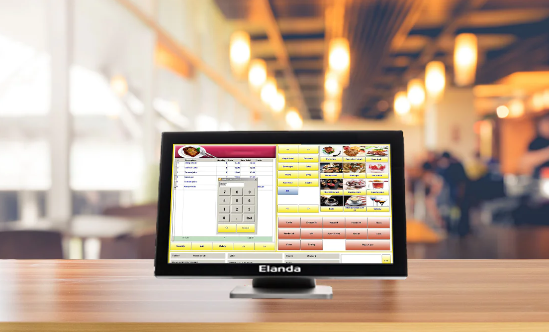
Modern KDS solutions often include features such as:
- Order prioritization for faster preparation of urgent dishes
- Real-time updates to manage changes in orders or cancellations
- Integration with POS and inventory systems for better tracking
- Analytics and reporting to monitor kitchen efficiency and performance
Benefits of Implementing a Kitchen Display System in 2026
1. Increased Order Accuracy
Mistakes in the kitchen can cost restaurants both money and reputation. Handwritten tickets are prone to human errors, such as misreading or misplacing orders. A KDS eliminates this risk by providing clear, digital order information.
With a KDS, every order is displayed in real-time, reducing the likelihood of mistakes and ensuring customers receive exactly what they ordered. This improved accuracy enhances customer satisfaction and encourages repeat business.
2. Faster Food Preparation and Service
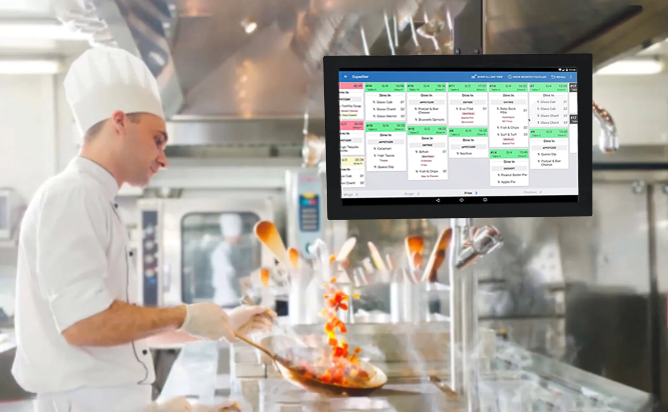
Time is money in the restaurant business. Traditional paper tickets often result in delays as staff manually sort and organize orders. A KDS automates this process, allowing kitchen staff to see the order immediately and start cooking without waiting.
Restaurants that implement a KDS often report faster preparation times, which leads to quicker table turnover and higher revenue.
3. Streamlined Communication
Poor communication between the front-of-house and kitchen is a common source of frustration in restaurants. A KDS bridges this gap by providing real-time updates and notifications about order status.
Changes in customer orders, special dietary requests, or modifications can be instantly reflected on the screen, preventing miscommunication and ensuring a smoother workflow.
4. Better Kitchen Organization
Modern KDS systems allow kitchens to organize orders by categories, such as appetizers, main courses, or drinks. This enables chefs to prioritize tasks efficiently and maintain an organized workspace even during peak hours.
For restaurants with multiple cooking stations, a KDS ensures that every station receives the right orders at the right time, reducing chaos and stress for kitchen staff.
5. Data-Driven Insights
Beyond improving daily operations, a KDS provides valuable insights into kitchen performance. By tracking order times, preparation efficiency, and bottlenecks, restaurant managers can make informed decisions about staffing, menu planning, and workflow optimization.
Brands like Elanda offer KDS solutions with analytics dashboards that help restaurants identify trends, measure efficiency, and optimize operations for maximum profitability.
How a KDS Works
Understanding how a Kitchen Display System works can help restaurant owners implement it effectively.
- Order Entry – When a customer places an order, it is entered into the POS system.
- Digital Ticket Display – The KDS receives the order information and displays it on a screen in the kitchen.
- Order Management – The system prioritizes orders based on preparation time, special requests, or delivery schedules.
- Real-Time Updates – If a customer changes an order or cancels it, the KDS instantly updates the screen.
- Completion Tracking – Once the order is prepared, staff mark it as complete, and the system notifies the front-of-house staff for service or delivery.
This process reduces paper waste, eliminates errors, and creates a seamless communication loop between the kitchen and service staff.
Features to Look for in a Modern KDS
When choosing a KDS for your restaurant, consider these essential features:
- POS Integration – Seamless connectivity with your existing point-of-sale system is crucial for smooth operations.
- Customizable Screens – Ability to adjust the layout and prioritization based on your kitchen workflow.
- Real-Time Reporting – Access to analytics on preparation times, order accuracy, and staff performance.
- Cloud-Based Options – Remote management and monitoring for multi-location operations.
- User-Friendly Interface – Easy for kitchen staff to adopt without extensive training.
- Durability and Reliability – Designed for busy kitchen environments with high heat, moisture, and constant use.
Selecting the right system can make a significant difference in improving efficiency and reducing stress during peak hours.
Common Challenges in Restaurants Solved by KDS
Problem 1: Lost or Misplaced Orders
With handwritten tickets, orders can easily be misplaced. KDS displays orders digitally, reducing errors and lost tickets.
Problem 2: Slow Kitchen Operations
Manual order tracking slows down the kitchen workflow. KDS automates prioritization and alerts, speeding up preparation.
Problem 3: Communication Gaps
Staff may miscommunicate special requests or order changes. KDS provides real-time updates to ensure accuracy.
Problem 4: Lack of Data Insights
Traditional kitchens have limited visibility into efficiency. KDS provides detailed reports for decision-making and performance optimization.
Conclusion
As we enter 2026, the restaurant industry continues to evolve rapidly. Customers expect faster service, accurate orders, and a seamless dining experience. Implementing a Kitchen Display System is no longer optional—it’s essential for modern restaurants striving to stay competitive.
A KDS improves order accuracy, streamlines kitchen operations, enhances communication, and provides valuable insights for better decision-making. Whether you are a small café or a multi-location chain, integrating a KDS solution like Elanda can transform your kitchen operations and elevate customer satisfaction.
Investing in a KDS today sets your restaurant up for success tomorrow, making it an indispensable tool for efficiency, profitability, and growth.
FAQs About Kitchen Display Systems
Q1: What types of restaurants can benefit from a KDS?
A: All types of restaurants, from fast-casual to fine dining, can benefit. KDS is especially useful in high-volume kitchens where speed and accuracy are critical.
Q2: Does a KDS replace the POS system?
A: No, a KDS complements your POS system by displaying orders digitally in the kitchen and improving workflow, but it doesn’t replace the POS.
Q3: Can a KDS handle multiple locations?
A: Yes. Many modern KDS solutions are cloud-based, allowing managers to monitor kitchen operations across multiple locations in real-time.
Q4: How difficult is it to train staff to use a KDS?
A: Most modern KDS systems are user-friendly and intuitive, requiring minimal training. Staff can quickly adapt to the digital interface compared to paper tickets.
Q5: Will a KDS improve customer satisfaction?
A: Absolutely. By reducing errors, speeding up order preparation, and ensuring consistent quality, a KDS directly enhances the customer experience.
