

In 2026, franchise businesses are expanding faster than ever. From restaurant chains and retail brands to service-based franchises, companies are opening new locations across cities and even countries. Managing these growing networks efficiently requires powerful technology. This is where franchise POS systems become essential.
A franchise POS system is more than just a payment tool. It is a centralized platform that connects multiple locations, allowing business owners to monitor sales, manage inventory, standardize pricing, and analyze performance across every store in real time.
Traditional point-of-sale systems were designed mainly for single-store operations. However, franchise businesses require more advanced capabilities. They need a POS system that can synchronize data across locations, maintain consistent brand standards, and provide accurate reporting for franchise headquarters.
Modern POS systems now combine payment processing, cloud technology, analytics, and customer management into one integrated platform. These solutions help franchise brands operate more efficiently while maintaining a consistent customer experience across all locations.
In this 2026 guide, we will explore what franchise POS systems are, how they work, their most important features, and how to choose the best solution for your franchise business.
What Are Franchise POS Systems?
Franchise POS systems are point-of-sale solutions specifically designed for businesses operating multiple locations under a franchise model. Unlike standard POS systems that focus on individual stores, franchise POS platforms allow centralized management across an entire network.
With a franchise POS system, each location processes transactions locally while automatically syncing data to a central system used by headquarters.
This allows franchise owners to:
- Monitor sales across all stores
- Maintain consistent pricing and promotions
- Track inventory in real time
- Evaluate franchisee performance
- Generate consolidated reports
Industries that commonly rely on franchise POS systems include:
- Restaurant franchises
- Retail store chains
- Coffee shop franchises
- Beauty and salon chains
- Convenience store networks
- Fitness and gym franchises
By connecting all locations to one platform, franchise businesses can maintain better operational control while still allowing individual stores to run smoothly.
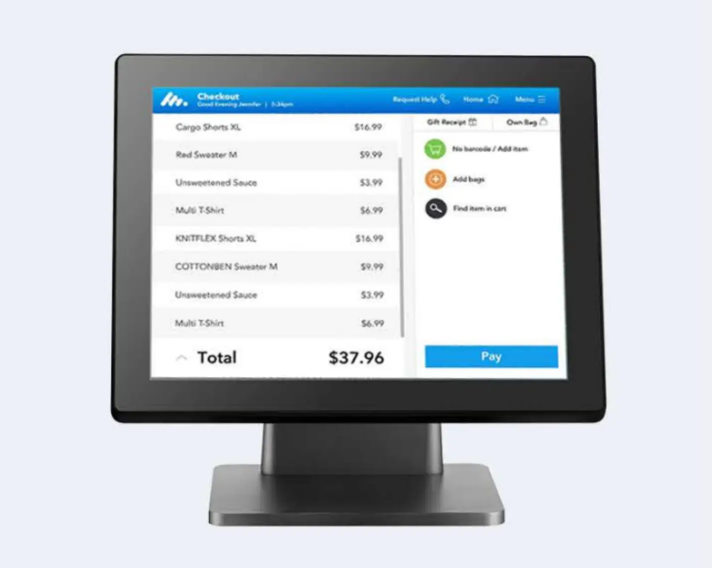
Why Franchise Businesses Need Specialized POS Systems in 2026
Managing multiple locations without a centralized POS system can quickly become complicated. Each store generates its own sales data, inventory updates, employee schedules, and customer transactions.
Without franchise POS systems, businesses may encounter several challenges:
- Inconsistent pricing between locations
- Limited visibility into store performance
- Difficulty managing inventory across multiple stores
- Complicated reporting and accounting
- Slow implementation of company-wide promotions
In 2026, franchise businesses rely heavily on real-time data and automation. A modern POS system helps solve these issues by creating a unified platform for managing operations across the entire franchise network.
As brands scale to dozens or hundreds of locations, the importance of a reliable franchise POS system becomes even greater.
Key Features of Franchise POS Systems
Centralized Multi-Location Management
One of the most important capabilities of franchise POS systems is centralized control. Headquarters can manage products, pricing, and promotions for all locations from a single dashboard.
This makes it easier to maintain brand consistency and operational standards across the franchise network.
Centralized management features often include:
- Store performance monitoring
- Product catalog management
- Pricing updates across locations
- Promotion scheduling
- Franchisee performance tracking
Real-Time Sales Analytics
Data plays a critical role in franchise management. Modern franchise POS systems provide real-time analytics that help business owners understand performance instantly.
Common reporting features include:
- Sales by store location
- Top-selling products
- Revenue trends
- Payment method analysis
- Employee sales reports
These insights allow franchise owners to make faster and more accurate business decisions.
Multi-Location Inventory Management
Inventory management becomes more complex as franchises expand. A good franchise POS system allows businesses to monitor stock levels across every store.
Typical inventory functions include:
- Real-time stock tracking
- Automated inventory updates after each sale
- Low-stock notifications
- Product transfers between stores
- Supplier and purchase order management
This helps prevent stock shortages while reducing overstock and waste.
Standardized Pricing and Promotions
Customers expect consistent pricing no matter which franchise location they visit. Franchise POS systems allow headquarters to maintain this consistency.
With centralized pricing control, businesses can:
- Update product prices across all locations
- Launch nationwide or regional promotions
- Introduce seasonal discounts
- Standardize product menus
This ensures customers receive the same brand experience everywhere.
Customer Relationship Management (CRM)
Many franchise POS systems include built-in CRM tools that help businesses strengthen customer relationships.
These tools may support:
- Customer purchase history
- Loyalty programs
- Personalized promotions
- Marketing integrations
Better customer insights help increase retention and encourage repeat purchases.
Employee Management and Permissions
Managing staff across multiple locations requires clear oversight. POS systems provide employee management tools to simplify this process.
Common features include:
- Staff login accounts
- Role-based permissions
- Shift tracking
- Sales performance monitoring
These tools improve accountability and operational efficiency.
Cloud-Based POS Technology
In 2026, cloud-based POS systems have become the preferred choice for franchise businesses.
Cloud franchise POS systems offer several advantages:
- Access to business data from anywhere
- Automatic system updates
- Secure cloud backups
- Easy expansion when new locations open
Because of their flexibility and scalability, cloud POS platforms are ideal for growing franchise networks.

Benefits of Franchise POS Systems
Improved Operational Efficiency
Automation reduces manual tasks such as inventory updates and reporting. Employees can focus more on customer service rather than administrative work.
Better Franchise Oversight
Franchise owners gain full visibility into each location’s performance. If one store experiences unusual trends or operational issues, management can quickly respond.
Consistent Brand Experience
Consistency is critical for franchise success. Franchise POS systems help ensure the same pricing, promotions, and product offerings across all locations.
Data-Driven Business Decisions
Detailed reports allow franchise owners to analyze sales trends and optimize operations. Businesses can identify top-performing products and adjust inventory or marketing strategies accordingly.
Some POS technology providers, including Elanda, are increasingly focusing on advanced analytics to help franchise operators make smarter decisions across large store networks.
Scalable Growth for Expanding Franchises
As a franchise grows, its operational complexity increases. A scalable franchise POS system can support new locations without disrupting existing workflows.
Solutions developed by companies such as Elanda are designed to support expanding franchise networks while maintaining centralized control and consistent operations.
How Franchise POS Systems Work
Most franchise POS systems follow a similar operational structure.
Store POS Terminals
Each franchise location uses POS terminals to process payments, manage orders, and track transactions.
Central Database or Cloud Platform
All transaction data is automatically synchronized with a centralized system that stores and processes information from every location.
Management Dashboard
Franchise owners and headquarters staff can access a management dashboard to monitor operations, generate reports, and update products or pricing.
System Integrations
Modern POS systems often integrate with other business tools, including:
- Accounting software
- Online ordering platforms
- Payment gateways
- Delivery services
- CRM and marketing platforms
These integrations create a complete digital ecosystem for franchise operations.
How to Choose the Best Franchise POS System
Selecting the right POS platform is an important investment for any franchise business.
Scalability
Choose a POS system that can grow with your franchise network. The platform should easily support additional locations as the business expands.
Ease of Use
A simple and intuitive interface helps employees learn the system quickly and reduces training time.
Integration Capabilities
Ensure the POS system integrates with accounting software, eCommerce platforms, and payment processors.
Security and Compliance
Payment security is critical. The POS system should meet industry security standards and protect customer payment information.
Technical Support
Reliable customer support ensures that technical issues can be resolved quickly without interrupting store operations.
Future Trends in Franchise POS Systems
Technology continues to reshape the POS industry. Several trends will define the future of POS systems beyond 2026.
AI-Powered Business Insights
Artificial intelligence can analyze large datasets to predict demand, recommend pricing strategies, and optimize inventory.
Mobile POS Devices
Tablets and mobile POS devices allow employees to process payments anywhere in the store, improving customer convenience.
Omnichannel Retail Integration
Franchise businesses increasingly operate both online and offline. Modern POS systems are integrating with eCommerce platforms to provide seamless omnichannel experiences.
Contactless and Digital Payments
Digital wallets, QR payments, and contactless transactions are becoming standard features in POS technology.
Conclusion
As franchise networks continue to grow in 2026, efficient management across multiple locations becomes increasingly important. POS systems provide the tools needed to centralize operations, maintain brand consistency, and gain valuable business insights.
From real-time reporting and inventory tracking to cloud connectivity and customer management, modern POS platforms offer powerful capabilities that support long-term franchise success.
By choosing the right franchise POS system, businesses can streamline operations, improve customer experiences, and scale their franchise networks more effectively in an increasingly competitive market.
FAQs
What are franchise POS systems?
POS systems are point-of-sale platforms designed to manage transactions and operations across multiple franchise locations while providing centralized control and reporting.
Why are franchise POS systems important?
They help franchise businesses maintain consistent pricing, monitor sales performance, manage inventory, and analyze data across all locations.
Can franchise POS systems manage multiple store inventories?
Yes. Most systems include centralized inventory tracking that allows businesses to monitor stock levels across every location in real time.
What industries use franchise POS systems?
Restaurants, retail chains, coffee shops, salons, convenience stores, and fitness franchises commonly rely on franchise POS systems.
