

The food service industry is undergoing a rapid digital transformation, and one of the most impactful innovations is the kitchen display system (KDS). As restaurants, cloud kitchens, and quick-service chains aim to improve efficiency and customer experience, the demand for kitchen display systems continues to rise. Understanding kitchen display system market trends is essential for businesses looking to stay competitive in an increasingly technology-driven environment.
From reducing order errors to streamlining kitchen workflows, KDS solutions have evolved far beyond simple order screens. Today, they integrate with POS systems, inventory tools, and analytics platforms, enabling smarter decision-making and operational excellence. This article explores the current market landscape, key drivers, emerging technologies, and future opportunities in the kitchen display system market.
What Is a Kitchen Display System?
A kitchen display system is a digital solution that replaces traditional paper tickets in restaurant kitchens. Orders are sent directly from the POS system to screens in the kitchen, where staff can view, prioritize, and manage them in real time.
Key functions include:
- Real-time order tracking
- Improved communication between front-of-house and kitchen staff
- Reduced human error
- Faster order fulfillment
- Data collection and performance insights
As digital adoption accelerates, KDS solutions are becoming a standard feature across modern kitchens.
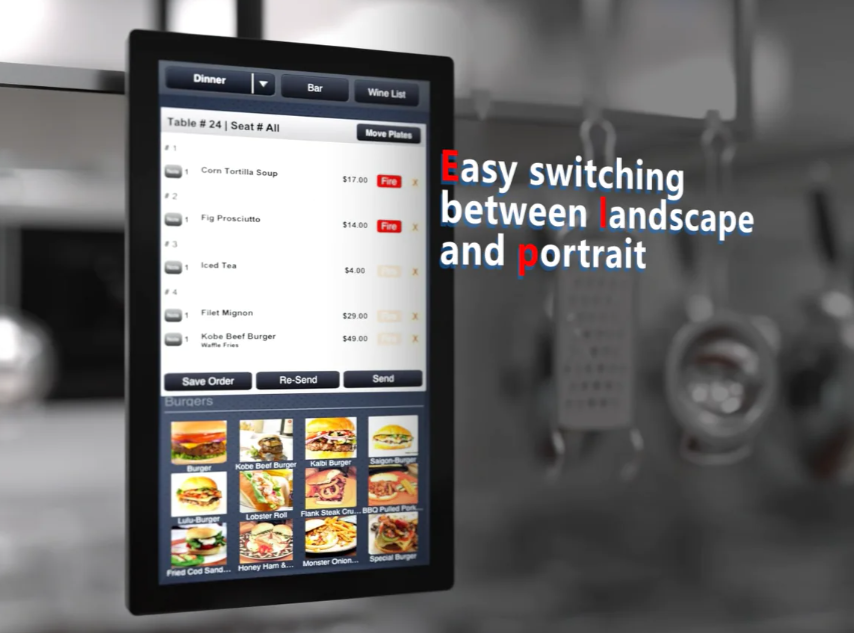
Kitchen Display System Market Overview
The global kitchen display system market has experienced steady growth over the past decade. This growth is fueled by the expansion of quick-service restaurants (QSRs), the rise of online food delivery, and increasing demand for automation.
Market Size and Growth
The market is expected to grow at a strong compound annual growth rate (CAGR) over the next several years. Key contributing factors include:
- Expansion of restaurant chains globally
- Increased adoption of cloud-based solutions
- Rising labor costs pushing automation
- Growing demand for operational efficiency
Small and medium-sized restaurants are also adopting KDS solutions, further driving market expansion.
Key Kitchen Display System Market Trends
1. Shift Toward Cloud-Based KDS Solutions
One of the most significant kitchen display system market trends is the transition from on-premise systems to cloud-based platforms.
Cloud-based KDS offers:
- Remote access and monitoring
- Lower upfront costs
- Easy scalability
- Automatic updates
This trend is particularly attractive for multi-location restaurants that need centralized control and data visibility.
2. Integration with POS and Third-Party Platforms
Modern KDS solutions are no longer standalone systems. Integration is now a critical requirement.
Common integrations include:
- POS systems
- Online ordering platforms
- Delivery apps
- Inventory management tools
This interconnected ecosystem improves accuracy and ensures seamless operations from order placement to fulfillment.
3. Rise of Data-Driven Kitchen Operations
Data analytics is transforming how kitchens operate. KDS platforms now collect valuable data such as:
- Order preparation times
- Staff performance metrics
- Peak hours and demand patterns
Restaurants can use this data to optimize workflows, reduce wait times, and improve overall efficiency. This trend reflects a broader shift toward data-driven decision-making in the food service industry.
4. Increased Adoption in Cloud Kitchens and Ghost Kitchens
The rapid growth of cloud kitchens has significantly impacted the KDS market. These delivery-only kitchens rely heavily on digital tools to manage operations.
KDS systems are essential for:
- Handling high order volumes
- Coordinating multiple brands in one kitchen
- Ensuring accuracy in delivery orders
As the cloud kitchen model continues to expand, demand for advanced KDS solutions will grow accordingly.
5. Focus on User-Friendly Interfaces
Ease of use is a major factor influencing adoption. Kitchen staff often work in high-pressure environments, so systems must be intuitive and efficient.
Modern KDS interfaces feature:
- Touchscreen controls
- Color-coded order statuses
- Simple navigation
- Customizable layouts
This trend highlights the importance of human-centered design in kitchen technology.
6. Mobile and Tablet-Based Solutions
Another emerging trend is the use of mobile devices and tablets as KDS platforms.
Benefits include:
- Lower hardware costs
- Portability
- Flexible installation
- Quick setup
Tablet-based KDS systems are particularly popular among small restaurants and food trucks due to their affordability and convenience.
7. AI and Automation Integration
Artificial intelligence is beginning to play a role in kitchen display systems.
AI-powered features include:
- Predictive order preparation
- Smart routing of tasks
- Demand forecasting
- Automated alerts for delays
These innovations help kitchens operate more efficiently and proactively manage challenges.
8. Sustainability and Paperless Operations
Sustainability is becoming a priority in the food service industry. KDS systems contribute by eliminating paper tickets, reducing waste, and promoting eco-friendly operations.
This aligns with broader environmental goals and enhances brand image among environmentally conscious consumers.
Key Market Drivers
Growing Demand for Efficiency
Restaurants are under constant pressure to deliver faster service without compromising quality. KDS systems streamline communication and reduce delays, making them essential tools for modern kitchens.
Labor Shortages and Rising Costs
Labor shortages have become a major challenge globally. Kitchen display systems help optimize workforce productivity, allowing fewer staff to handle more orders efficiently.
Expansion of Online Food Delivery
The surge in online food delivery has increased order complexity. KDS systems help manage multiple order channels simultaneously, ensuring accuracy and speed.
Technological Advancements
Continuous innovation in hardware and software is driving adoption. Features like cloud computing, AI, and IoT integration make KDS solutions more powerful and appealing.
Challenges in the Kitchen Display System Market
Despite strong growth, the market faces several challenges:
High Initial Investment
While long-term benefits are significant, initial setup costs can be a barrier for small businesses.
Resistance to Change
Some restaurant operators and staff may be hesitant to adopt new technology, especially in traditional settings.
Integration Complexity
Integrating KDS with existing systems can be complex and may require technical expertise.
Regional Market Insights
North America
North America leads the market due to:
- High technology adoption
- Strong presence of QSR chains
- Advanced infrastructure
Europe
Europe shows steady growth, driven by:
- Increasing digitalization
- Expansion of restaurant chains
- Focus on operational efficiency
Asia-Pacific
The Asia-Pacific region is expected to witness the fastest growth due to:
- Rapid urbanization
- Growth of food delivery platforms
- Increasing number of restaurants
Countries like China, India, and Southeast Asian nations are key contributors to this growth.
Future Outlook of the Kitchen Display System Market
The future of the kitchen display system market looks promising. As technology continues to evolve, KDS solutions will become more intelligent, integrated, and accessible.
Key future trends include:
- Greater use of AI and machine learning
- Enhanced automation in kitchen workflows
- Increased adoption among small businesses
- Expansion into new food service segments
Companies that invest in advanced KDS technology today will be better positioned to meet future demands.
Solutions offered by providers like Elanda are expected to play a role in shaping this future by delivering flexible and scalable systems tailored to modern kitchen environments.
How to Choose the Right Kitchen Display System
When selecting a KDS solution, businesses should consider:
- Ease of use
- Integration capabilities
- Scalability
- Cost
- Customer support
Choosing the right system can significantly impact operational efficiency and customer satisfaction.
Brands such as Elanda continue to innovate in this space, offering solutions that align with evolving market needs while maintaining usability and performance.
Conclusion
The kitchen display system market is evolving rapidly, driven by technological advancements and changing industry demands. From cloud-based solutions to AI integration, the latest kitchen display system market trends highlight a shift toward smarter, more efficient kitchen operations.
As restaurants strive to improve service speed, accuracy, and customer experience, adopting a modern KDS is no longer optional—it is a strategic necessity. Businesses that embrace these trends will gain a competitive edge in an increasingly digital food service landscape.
FAQs
1. What are kitchen display system market trends?
Kitchen display system market trends refer to the latest developments, innovations, and growth patterns in the KDS industry, including cloud adoption, AI integration, and increased use in cloud kitchens.
2. Why are kitchen display systems important for restaurants?
They improve order accuracy, reduce wait times, enhance communication, and increase overall efficiency in kitchen operations.
3. Are cloud-based KDS solutions better than traditional systems?
Cloud-based systems offer more flexibility, scalability, and remote access, making them a preferred choice for many modern restaurants.
4. How does a KDS improve customer experience?
By speeding up order processing and reducing errors, KDS ensures faster and more accurate service, leading to higher customer satisfaction.
5. What is the future of the kitchen display system market?
The market is expected to grow significantly, with increased adoption of AI, automation, and integrated digital solutions across the food service industry.
