Welcome to learn about the latest products
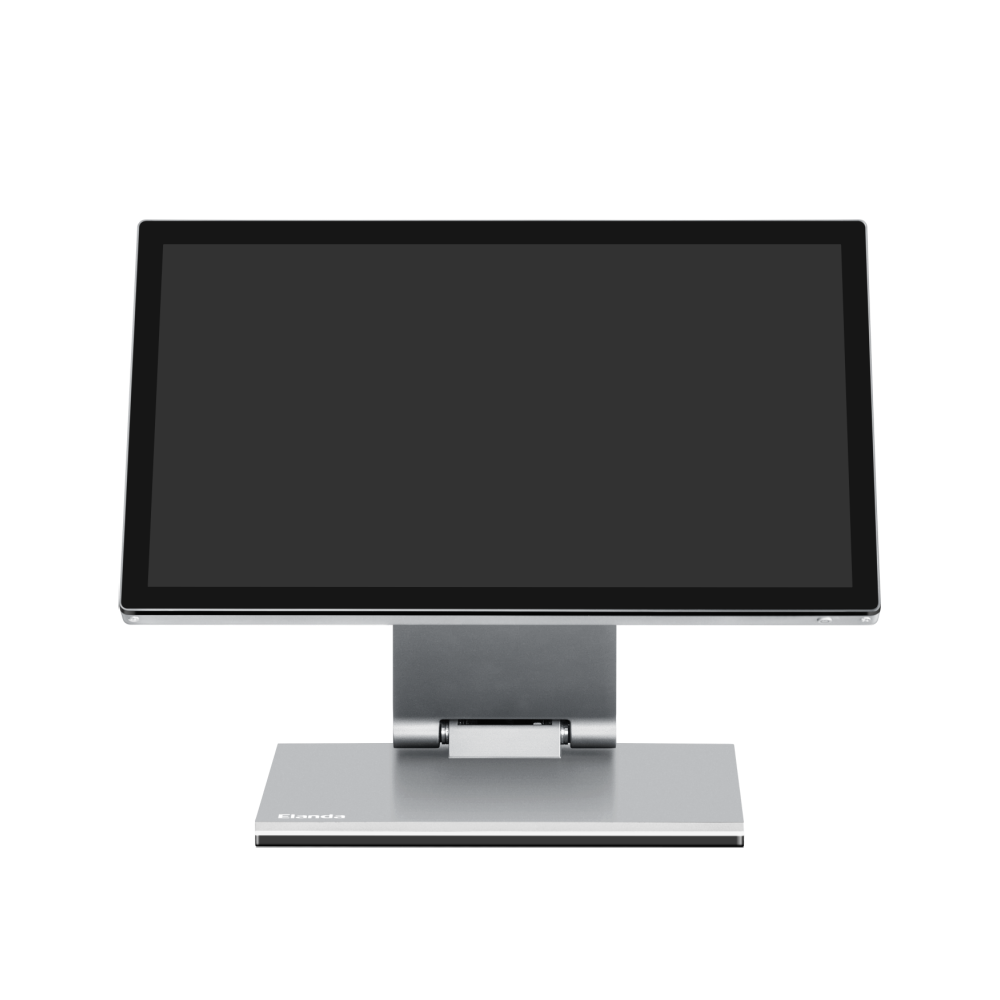
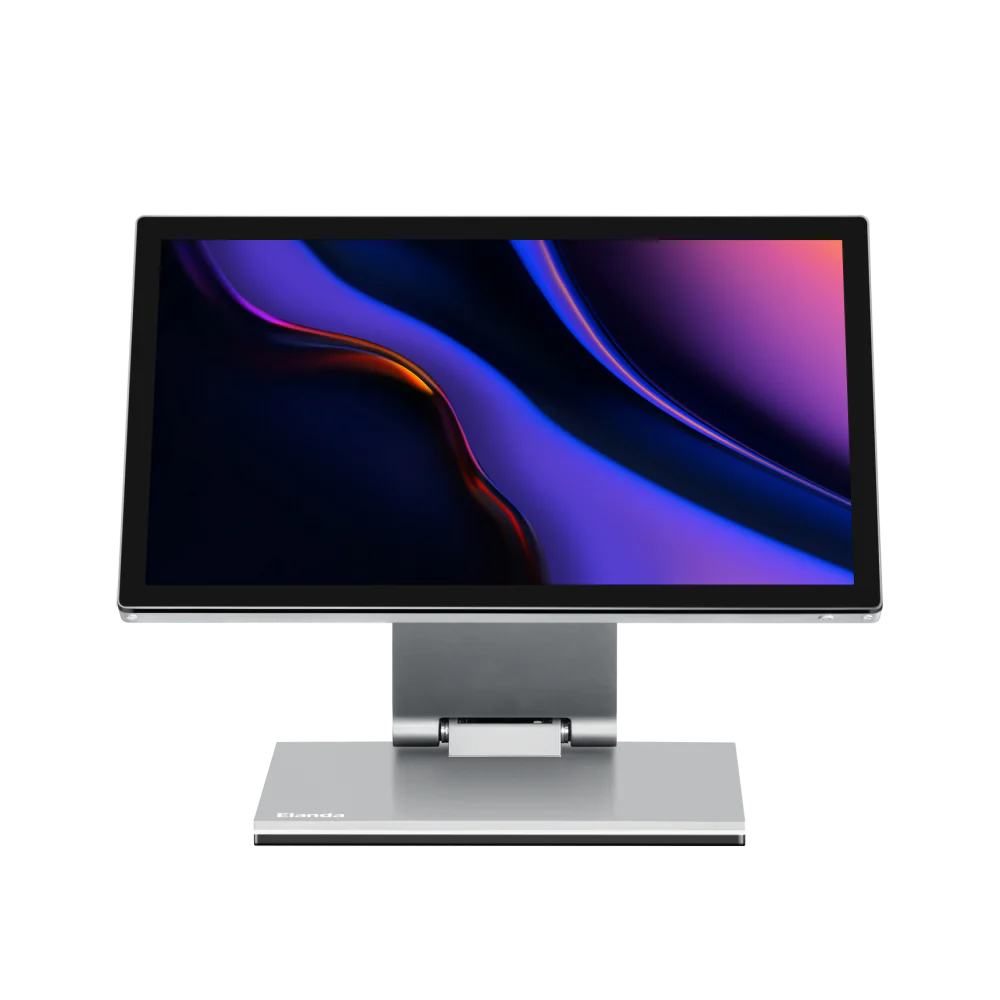
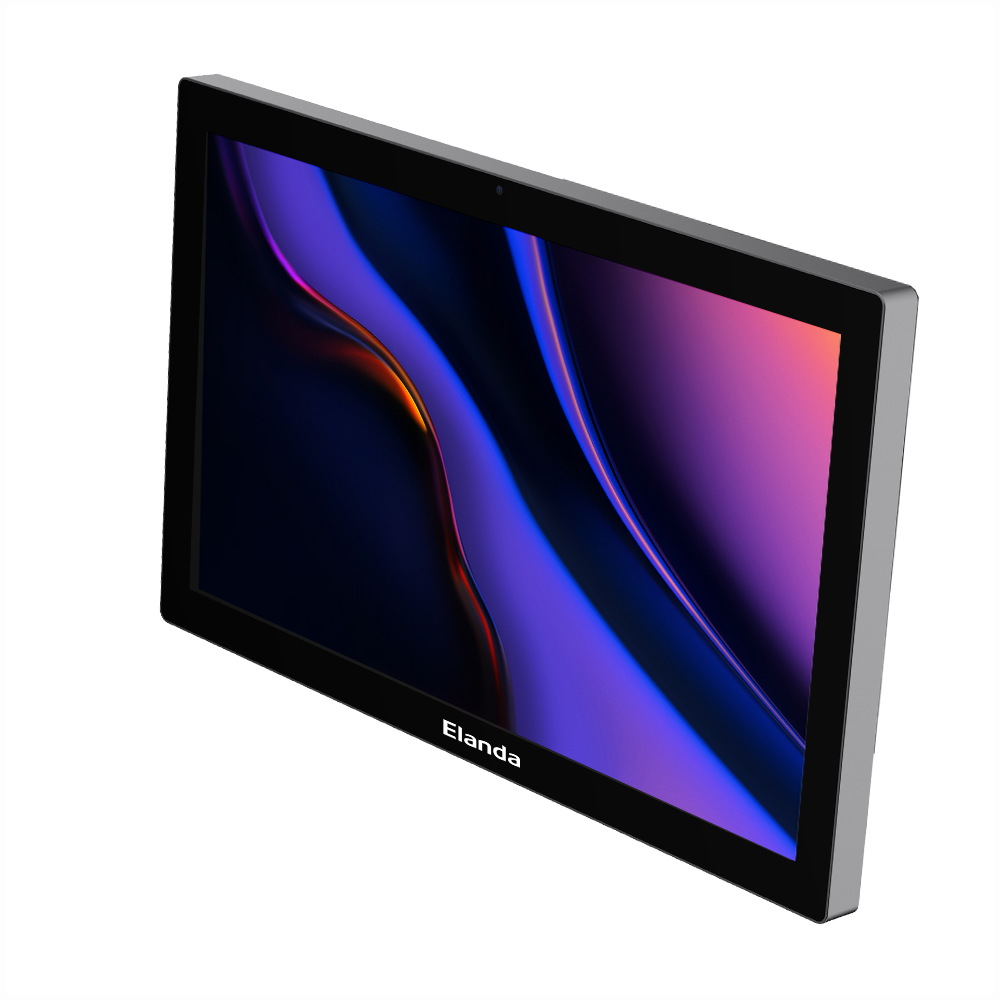
15.6" New Innovation, Fan-Free Foldable Windows POS
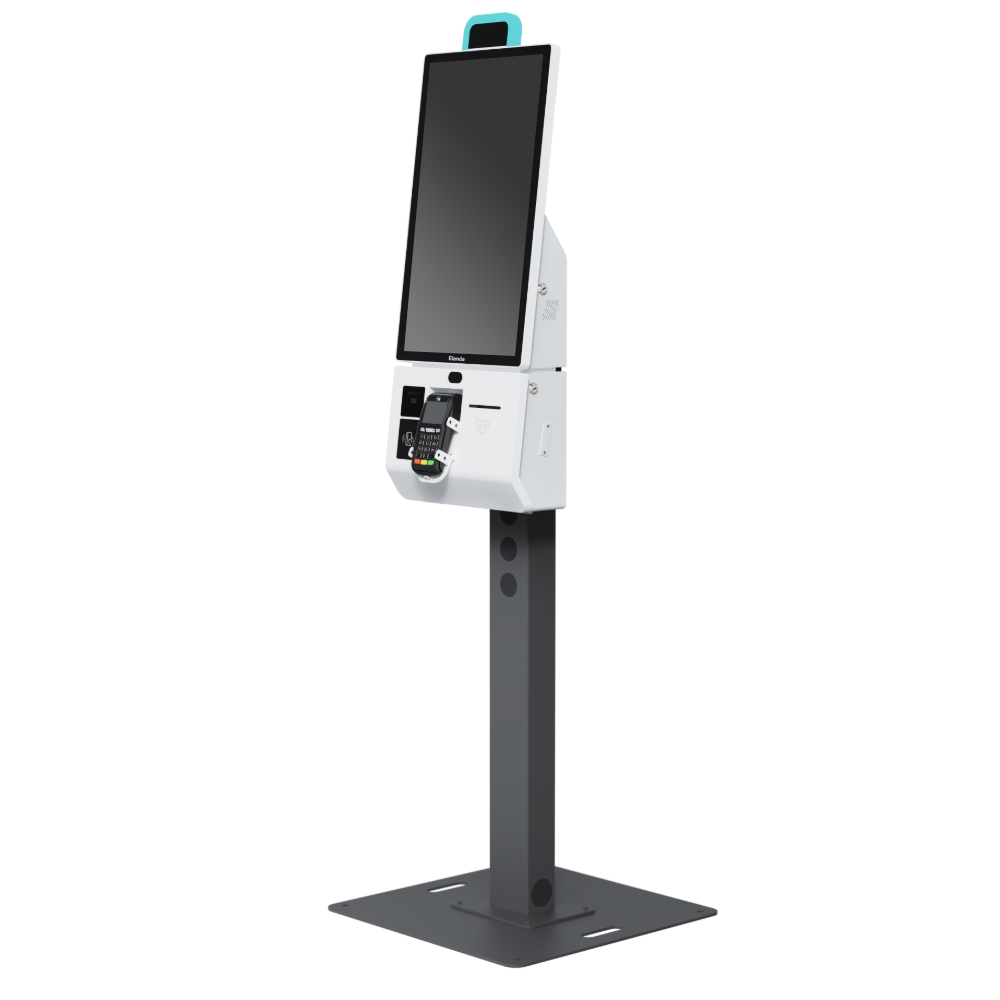
21.5"Full Set IP65 Rated Kitchen Display System
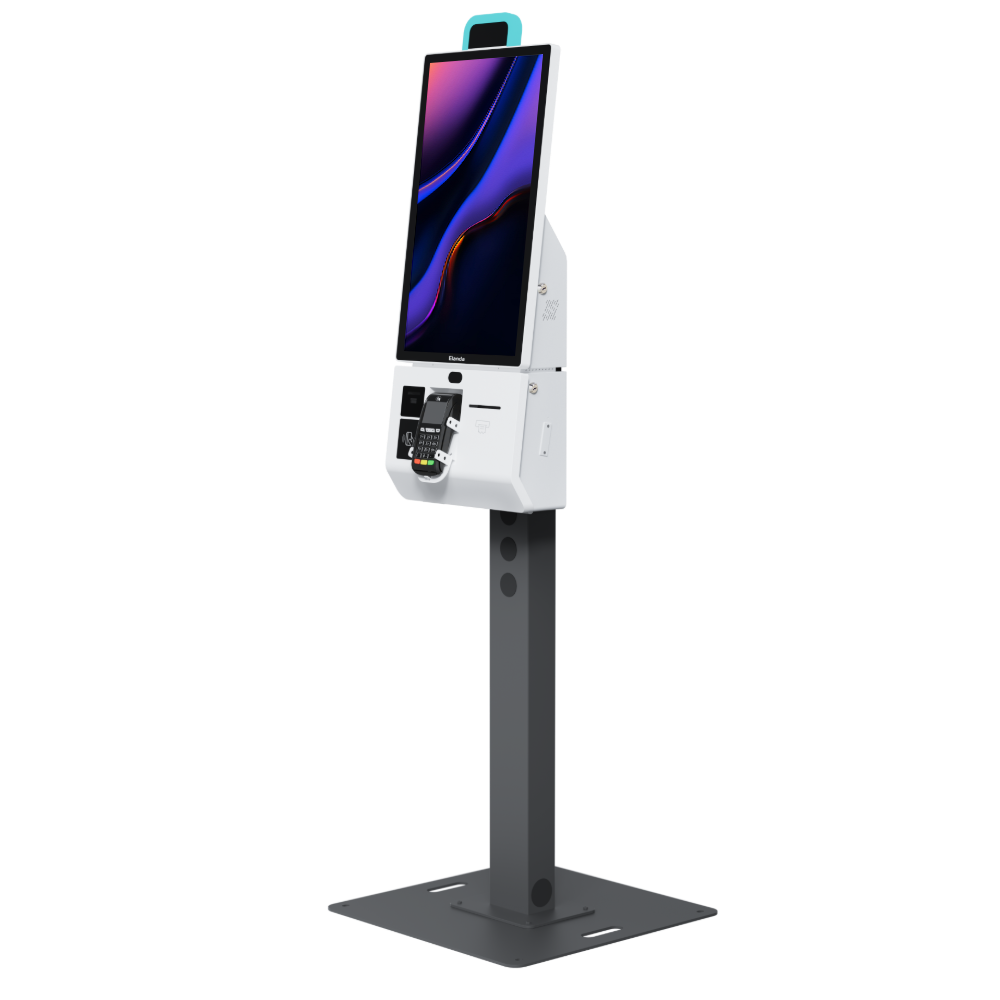
27" High Modular Self-service Kiosk

Our Services

Elanda, an internationally standardized company, combines top-tier R&D expertise from Taiwan, skilled engineers, and an experienced sales team to provide seamless support, ensuring excellence across pre-sales, in-sales, and after-sales services.

Solutions

KONG Series Self-service Kiosk
Information Self-Service Query
Kitchen System Display (KDS)
Kitchen Management
ROCK Series Self-service Kiosk
Supermarket Self Check-out
Mercury Series POS Terminal
High-end Retail Cash Register

News & Events

Elanda's Spring Festival Holiday Notice

As we celebrate the Chinese Spring Festival, Elanda will be on holiday from January 22nd to February 4th. Rest assured, we have a dedicated team in place to support you throughout the holiday period.

To ensure a smooth experience, we kindly encourage all our partners to plan their inventory and shipments in advance to avoid any potential delays or disruptions during the holiday.

Thank you for your understanding and trust.

2024-12-30

Running a single restaurant is complex. Managing a restaurant chain is on another level. From centralized inventory control to multi-location reporting, franchise management, and real-time sales tracking, restaurant chains need powerful technology to stay competitive. That’s where POS systems for restaurant chains become essential.

In 2026, modern restaurant POS systems are no longer just digital cash registers. They are integrated business management platforms that connect front-of-house, back-of-house, headquarters, online ordering, loyalty programs, and financial reporting into one ecosystem.

If you operate multiple locations, franchise units, or plan to scale, this ultimate guide will walk you through everything you need to know about choosing the best POS system for restaurant chains. We will cover features, benefits, integration options, costs, common mistakes, and expert selection strategies.

What Are POS Systems for Restaurant Chains?

A POS system for restaurant chains is a centralized point-of-sale solution designed specifically for multi-location restaurants, franchises, and enterprise food service operations.

Unlike basic POS software used by independent restaurants, chain-level systems provide:

  • Centralized control across all locations
  • Real-time cloud-based reporting
  • Unified menu and pricing management
  • Multi-store inventory tracking
  • Role-based staff access
  • Franchise performance comparison
  • Integration with ERP and accounting systems

These systems allow restaurant groups to maintain brand consistency while empowering individual locations to operate efficiently.
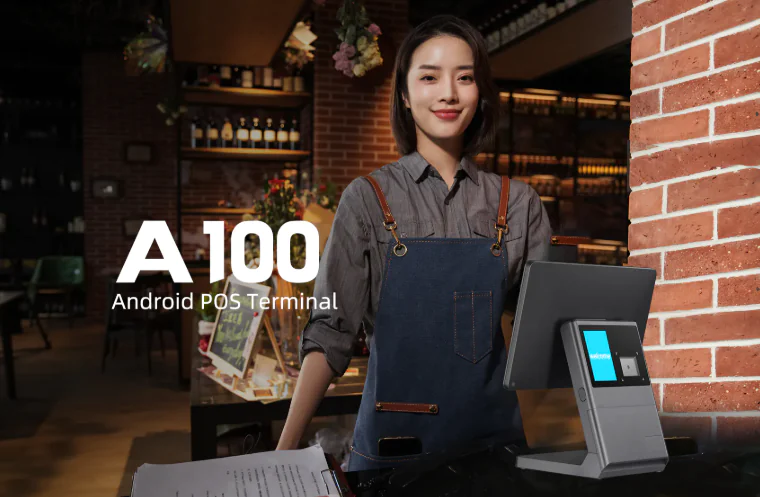
POS systems for restaurant chains

Why Restaurant Chains Need Specialized POS Systems

1. Centralized Management

For multi-location operations, manual reporting is inefficient. A cloud-based restaurant POS system allows headquarters to:

  • Monitor sales across all stores in real time
  • Adjust menu pricing centrally
  • Launch promotions across multiple regions
  • Compare performance metrics

This reduces errors and improves operational transparency.

2. Standardized Menu and Pricing Control

Consistency is critical in chain restaurants. A restaurant chain POS system ensures:

  • Uniform menu updates
  • Automatic price synchronization
  • Standardized modifiers and combo configurations
  • Controlled regional customization

Without centralized POS control, maintaining brand integrity becomes difficult.

3. Advanced Multi-Location Reporting

Restaurant chains require deeper analytics, including:

  • Sales by location
  • Sales by region
  • Top-performing menu items
  • Labor cost percentage per store
  • Inventory variance across branches

Modern POS software provides customizable dashboards and automated reporting.

Key Features of the Best POS Systems for Restaurant Chains in 2026

When evaluating POS systems for restaurant chains, focus on the following essential features.

Cloud-Based Architecture

Cloud POS systems allow access from anywhere. Headquarters can view:

  • Real-time sales reports
  • Inventory levels
  • Employee performance
  • Daily revenue summaries

Cloud architecture also simplifies software updates and data backup.

Multi-Location Management

A true restaurant chain POS solution should allow:

  • Centralized configuration
  • Location grouping
  • Performance benchmarking
  • Cross-store data comparison

This feature is vital for franchise models and corporate-owned chains.

Inventory Management Across Locations

Inventory control is one of the biggest challenges for restaurant chains.

Advanced POS systems offer:

  • Ingredient-level tracking
  • Automatic stock deduction
  • Purchase order management
  • Central warehouse integration
  • Low-stock alerts

This prevents waste and improves food cost control.

Integrated Online Ordering & Delivery

In 2026, digital sales channels are essential. Your POS system must integrate with:

  • Online ordering platforms
  • Third-party delivery apps
  • QR code ordering
  • Self-service kiosks

Some enterprise hardware providers, such as Elanda, support integrated POS terminals and self-service solutions that streamline both dine-in and digital operations.

Franchise Management Capabilities

For franchise restaurant chains, POS systems should provide:

  • Royalty calculation automation
  • Franchise performance reporting
  • Location-level profit analysis
  • Secure access controls

This ensures transparency between franchisor and franchisee.

Customer Loyalty & CRM Integration

Chain restaurants benefit from centralized loyalty programs. A strong POS system supports:

  • Customer profiles
  • Points-based loyalty programs
  • Email and SMS marketing integration
  • Targeted promotions
  • Repeat visit tracking

Customer retention is significantly cheaper than acquisition, making CRM integration critical.

Types of POS Systems for Restaurant Chains

Traditional On-Premise POS Systems

These systems are installed locally in each store.

Pros:

  • Full control over data
  • No dependency on internet

Cons:

  • Expensive maintenance
  • Complex updates
  • Limited centralized visibility

In 2026, most restaurant chains prefer cloud-based systems.

Cloud-Based POS Systems

Cloud POS solutions dominate the market for multi-location restaurants.

Advantages:

  • Real-time centralized reporting
  • Automatic updates
  • Easier scaling
  • Remote management

They are ideal for fast-growing chains.

Hybrid POS Systems

Hybrid systems combine local servers with cloud backup.

They provide:

  • Offline functionality
  • Cloud reporting
  • Better data redundancy

This setup is popular among enterprise-level restaurant chains.

Benefits of Implementing a Restaurant Chain POS System

Improved Operational Efficiency

Automation reduces manual errors in:

  • Order entry
  • Inventory tracking
  • Sales reporting
  • Employee scheduling

This improves speed and accuracy.

Better Financial Control

Multi-location POS systems provide detailed financial tracking:

  • Revenue per location
  • Cost of goods sold (COGS)
  • Labor cost ratios
  • Profit margins

This helps executives make informed decisions.

Scalability for Growth

A scalable POS system allows:

  • Easy addition of new locations
  • Menu replication
  • Centralized onboarding
  • Unified data analysis

If you plan to expand nationally or internationally, scalability is essential.

Enhanced Customer Experience

Modern POS systems improve:

  • Faster checkout
  • Mobile payment processing
  • Contactless ordering
  • Personalized promotions

This creates a seamless customer journey.

Hardware Considerations for Restaurant Chain POS Systems

Software is only part of the equation. Hardware also plays a critical role.

Restaurant chains typically require:

  • POS terminals
  • Self-service kiosks
  • Kitchen display systems (KDS)
  • Receipt printers
  • Barcode scanners
  • Cash drawers

Reliable hardware suppliers such as Elanda provide enterprise-grade POS terminals designed for high-traffic restaurant environments. Choosing durable hardware reduces downtime and long-term replacement costs.

Integration Capabilities You Should Prioritize

A restaurant chain POS system must integrate with:

  • Accounting software
  • ERP systems
  • Payroll software
  • Inventory management platforms
  • CRM tools
  • Delivery aggregators

API flexibility is crucial. The more integrations supported, the easier it is to build a connected technology ecosystem.

Cost of POS Systems for Restaurant Chains in 2026

The cost varies depending on:

  • Number of locations
  • Hardware requirements
  • Software subscription model
  • Customization level
  • Integration needs

How to Choose the Best POS System for Your Restaurant Chain

Step 1: Define Your Business Model

Are you:

  • A franchise network?
  • A fast-casual chain?
  • A full-service restaurant group?
  • A quick-service restaurant (QSR) brand?

Each model has different requirements.

Step 2: Evaluate Scalability

Choose a POS system that can grow with you. Ask:

  • Can it support 50+ locations?
  • Does it offer centralized control?
  • Can new stores be onboarded quickly?

Step 3: Assess Reporting Capabilities

Multi-location analytics are non-negotiable. Look for:

  • Customizable dashboards
  • Real-time performance tracking
  • Comparative store reports
  • Exportable financial summaries

Step 4: Review Integration Options

Ensure compatibility with:

  • Existing accounting software
  • Online ordering platforms
  • Loyalty systems

Avoid closed ecosystems that limit flexibility.

Step 5: Request a Demo

Always test the system. Evaluate:

  • User interface
  • Speed
  • Ease of use
  • Training requirements

Front-line staff adoption is critical for success.

Common Mistakes to Avoid

  1. Choosing based only on price
  2. Ignoring scalability
  3. Overlooking integration needs
  4. Underestimating staff training
  5. Failing to centralize reporting

A poorly selected POS system can slow growth instead of enabling it.

AI-Powered Analytics

AI helps predict:

  • Sales trends
  • Inventory needs
  • Staffing requirements
  • Customer preferences

Self-Service Expansion

More chains are deploying:

  • Self-order kiosks
  • Mobile ordering apps
  • Contactless payment systems

These reduce labor costs and increase order accuracy.

Data-Driven Decision Making

Modern POS systems collect vast amounts of operational data. Smart restaurant chains use this data to:

  • Optimize menus
  • Reduce waste
  • Improve marketing campaigns
  • Enhance profitability

FAQs About POS Systems for Restaurant Chains

1. What is the best POS system for restaurant chains?

The best POS system depends on your business size, operational model, and integration requirements. Cloud-based multi-location systems are typically ideal for growing chains.

2. How much does a restaurant chain POS system cost?

Costs vary widely but usually include monthly subscription fees, hardware investments, and setup charges. Enterprise pricing depends on scale.

3. Can POS systems manage franchise operations?

Yes. Advanced POS systems for restaurant chains include franchise management tools such as royalty tracking, centralized reporting, and location performance comparison.

4. Are cloud POS systems secure?

Modern cloud POS systems use encryption, secure servers, and role-based access controls to protect data.

5. How long does implementation take?

Implementation typically takes a few weeks for small chains and several months for large enterprise deployments.

Conclusion

Choosing the right POS systems for restaurant chains is one of the most important technology decisions you will make in 2026. The right solution improves operational efficiency, enhances reporting accuracy, supports multi-location growth, and strengthens customer engagement.

Modern restaurant chain POS systems go far beyond simple transaction processing. They unify your entire business into a centralized, data-driven ecosystem.

If you are planning expansion, managing franchise operations, or optimizing multi-location performance, investing in a scalable, cloud-based POS system is essential. Evaluate features carefully, prioritize integration, and select hardware that supports high-volume environments.

With the right strategy and technology in place, your restaurant chain can operate smarter, grow faster, and compete more effectively in today’s digital-first food service industry.


Elanda Tech Co., Ltd wrapped up a successful participation at EuroShop 2026, the world’s leading retail trade fair held in Düsseldorf, Germany.

Throughout the exhibition, Elanda connected with partners, retailers, and system integrators from across Europe and global markets—showcasing its latest POS and self-checkout (SCO) solutions designed to simplify retail operations and improve checkout efficiency.

Connecting with the Global Retail Industry at EuroShop 2026

EuroShop remains one of the most influential platforms for retail innovation, bringing together technology providers and industry professionals exploring the future of smart retail.

At Hall 05, Booth 5F02, Elanda presented a range of POS and SCO solutions built around stability, modular flexibility, and easy deployment across diverse retail and hospitality environments.

The booth drew steady interest from visitors looking for reliable hardware that can support modern store operations and international expansion.

Live Demonstrations of POS and Self-Checkout Solutions

Over the four days, visitors experienced live demonstrations of Elanda’s checkout technologies, with a focus on:

– Streamlined POS workflows for retail and hospitality
– Self-checkout options suited for high-traffic settings
– Flexible configurations adaptable to different business needs
– Hardware built for long-term, reliable performance

These demos sparked practical conversations around the real-world challenges retailers and solution partners face on the ground.

Strengthening Partnerships Across European Markets

EuroShop 2026 gave Elanda valuable face time with distributors, system integrators, and retail technology partners across Europe.

The discussions reflected growing demand for scalable checkout solutions that strike a balance between performance, simplicity, and operational efficiency.

Elanda continues to grow its global partner network while equipping customers with dependable POS and SCO technologies.

Looking Ahead

Fresh off a productive EuroShop 2026, Elanda remains focused on driving practical innovation in retail technology and supporting businesses worldwide with reliable checkout solutions.

If we crossed paths at the show—or if you’d simply like to pick up the conversation—our team is ready to talk partnership opportunities or project collaboration.

👉 Contact info@elandapos.com to learn more about Elanda POS and SCO solutions.

POS solutions, self checkout systems, retail technology, EuroShop 2026, SCO solutions, smart retail solutions, hospitality POS, checkout automation, Elanda Tech, retail innovation

Choosing the right POS terminal is no longer a simple hardware decision—it’s a strategic business choice that can directly affect operational efficiency, customer experience, and long-term scalability. As digital payments, omnichannel retail, and data-driven decision-making become standard across industries, modern point-of-sale (POS) systems have evolved far beyond basic cash registers.

Whether you run a retail store, restaurant, hotel, or service-based business, selecting the right POS terminal requires a clear understanding of available types, core functionalities, and the tangible benefits each solution offers. A well-chosen POS terminal can streamline transactions, reduce errors, improve inventory management, and provide valuable insights into customer behavior.

This guide will walk you through how to choose a POS terminal, explaining different POS types, essential features, business benefits, and practical considerations—so you can make an informed, future-proof decision.

What Is a POS Terminal?

A POS terminal (Point of Sale terminal) is a system that enables businesses to process sales transactions. At its core, it handles payments, but modern POS terminals integrate hardware, software, and connectivity to manage sales, inventory, customer data, and reporting.

Core Components of a POS Terminal

  • Hardware: Touchscreen display, card reader, receipt printer, barcode scanner
  • Software: POS operating system, transaction management, reporting tools
  • Payment Processing: Credit cards, debit cards, mobile wallets, QR payments
  • Connectivity: Wi-Fi, Ethernet, Bluetooth, or cellular networks

Modern POS systems often function as centralized business management platforms rather than standalone devices.

Why Choosing the Right POS Terminal Matters

A poorly matched POS terminal can slow down operations, frustrate staff, and create friction for customers. On the other hand, the right POS solution enhances efficiency and supports business growth.

Key Business Impacts

  • Faster checkout and reduced wait times
  • Improved accuracy in transactions and reporting
  • Better inventory visibility and control
  • Enhanced customer experience
  • Scalable infrastructure for future expansion

In competitive markets, POS performance can directly influence customer satisfaction and repeat business.

Types of POS Terminals

Understanding POS terminal types is the foundation of making the right choice. Each type serves different business models and operational needs.

1. Traditional Countertop POS Terminals

Countertop POS systems are fixed devices typically installed at checkout counters.

Best for:

  • Retail stores
  • Supermarkets
  • Pharmacies

Key Characteristics:

  • Stable power and internet connection
  • Larger screens
  • Integrated peripherals (printers, scanners)

Pros:

  • Reliable and durable
  • Handles high transaction volumes

Cons:

  • Limited mobility
  • Requires dedicated counter space

2. Mobile POS (mPOS) Terminals

Mobile POS terminals are compact, portable devices that connect via Wi-Fi or cellular networks.

Best for:

  • Cafés and food trucks
  • Pop-up stores
  • On-the-go service providers

Key Characteristics:

  • Lightweight and handheld
  • Often tablet- or smartphone-based

Pros:

  • Flexible and space-saving
  • Faster service anywhere

Cons:

  • Smaller screens
  • Battery management required

3. Smart POS Terminals

Smart POS terminals combine payment processing with Android-based applications and cloud connectivity.

Best for:

  • Modern retail
  • Hospitality
  • Multi-location businesses

Key Characteristics:

  • Touchscreen interface
  • App-based ecosystem
  • Cloud data sync

Pros:

  • Highly customizable
  • Supports advanced features

Cons:

  • Higher upfront cost
  • Requires software management

Many enterprises working with providers such as Elanda adopt smart POS terminals to balance flexibility with centralized management across locations.

4. Self-Service POS Kiosks

Self-service POS kiosks allow customers to place orders and make payments independently.

Best for:

  • Quick-service restaurants
  • Cinemas
  • Transportation hubs

Key Characteristics:

  • Touchscreen ordering
  • Integrated payment acceptance

Pros:

  • Reduced labor costs
  • Faster order processing

Cons:

  • Higher initial investment
  • Requires customer adoption

5. Cloud-Based POS Systems

Cloud POS systems store data remotely and enable real-time access from multiple devices.

Best for:

  • Growing businesses
  • Franchises
  • Omnichannel retailers

Key Characteristics:

  • Centralized data access
  • Automatic updates

Pros:

  • Remote management
  • Easy scalability

Cons:

  • Internet dependency
  • Subscription-based pricing

Essential POS Terminal Functions

A POS terminal’s value lies in its functionality. Below are the most important features to evaluate.

Payment Processing Capabilities

A modern POS terminal should support multiple payment methods:

  • Credit and debit cards
  • Contactless payments (NFC)
  • Mobile wallets (Apple Pay, Google Pay)
  • QR code payments
  • Cash handling (optional)

Payment flexibility improves customer convenience and reduces abandoned purchases.

Inventory Management

POS-integrated inventory tracking allows businesses to:

  • Monitor stock levels in real time
  • Set low-stock alerts
  • Manage product variants
  • Reduce overstock and shortages

This is especially critical for retail and hospitality operations.

Sales Reporting and Analytics

Robust POS reporting tools provide insights such as:

  • Daily and monthly sales trends
  • Best-selling products
  • Peak business hours
  • Staff performance metrics

Data-driven decisions lead to smarter pricing, staffing, and promotions.

Customer Relationship Management (CRM)

Many POS systems now include CRM features:

  • Customer profiles
  • Purchase history
  • Loyalty programs
  • Personalized offers

These tools help build long-term customer relationships without complex external systems.

Multi-Location Management

For businesses operating across multiple locations, POS systems should enable:

  • Centralized control
  • Unified reporting
  • Standardized pricing and menus

Providers like Elanda are often chosen for their ability to support consistent POS management at scale.

Security and Compliance

POS terminals must meet strict security standards:

  • PCI DSS compliance
  • Data encryption
  • Secure user access controls

Strong security protects both business data and customer trust.

Key Benefits of Using the Right POS Terminal

Improved Operational Efficiency

Automated processes reduce manual work, minimize errors, and speed up transactions.

Enhanced Customer Experience

Faster checkout, flexible payments, and personalized service directly improve satisfaction.

Better Business Visibility

Real-time data access allows owners to respond quickly to trends and issues.

Scalability and Future Growth

The right POS terminal grows with your business—supporting new locations, products, and services without system replacement.

How to Choose the Right POS Terminal for Your Business

1. Understand Your Business Model

Different industries have different needs:

  • Retail focuses on inventory and SKUs
  • Restaurants need table and order management
  • Service businesses prioritize mobility

2. Define Required Features

List must-have vs. nice-to-have features to avoid overpaying for unused functions.

3. Consider Total Cost of Ownership

Look beyond upfront hardware costs:

  • Software subscriptions
  • Payment processing fees
  • Maintenance and upgrades

4. Evaluate Ease of Use

An intuitive interface reduces training time and staff errors.

5. Check Integration Capabilities

Ensure compatibility with accounting software, ERP systems, or e-commerce platforms.

6. Assess Vendor Reliability

Long-term support, updates, and technical assistance are critical for uninterrupted operations.

FAQs

1. What is the best POS terminal for small businesses?

The best POS terminal depends on business type. Small retailers often prefer cloud-based or mobile POS systems for flexibility and affordability.

2. Are POS terminals secure for card payments?

Yes, modern POS terminals use encryption and comply with PCI DSS standards to ensure secure transactions.

3. Can a POS terminal work without internet?

Some POS systems offer offline mode, storing transactions locally until connectivity is restored.

4. How long does it take to set up a POS terminal?

Setup can take from a few hours to several days, depending on system complexity and integrations.

5. Can one POS terminal support multiple stores?

Yes, cloud-based POS systems are designed for centralized multi-location management.

Conclusion

Choosing the right POS terminal is a strategic investment that shapes how your business operates today and scales tomorrow. By understanding the different POS types, evaluating essential functions, and aligning features with your business model, you can select a solution that enhances efficiency, improves customer experience, and delivers long-term value.

A well-chosen POS terminal is not just a payment device—it’s a powerful business management tool that supports smarter decisions, stronger customer relationships, and sustainable growth in an increasingly digital marketplace.

Get Started with

Elanda has been and will always focus on customer experience and market demand. Our tenet is to "Focus on high-end intelligent POS solutions in retail, creating win-win collaboration with customers, the teams and the company". We are ready to support our customers and stand in their shoes.
Shopping Basket