

Self-service ordering and checkout have moved from a novelty to an expected part of the retail and food-service experience. This article focuses on how a self service kiosk changes the checkout process in practice, and what businesses should weigh before adding one. The goal is to give you a clear view of where the value sits and where it does not, so you can decide on the basis of your own store rather than a trend. Every location is different, so the kiosk that pays off in one store may be unnecessary in the next. The sections below walk through the practical angles: queue behaviour, ordering, payment, design and the business case. If you read only one part, start with the section that matches your biggest bottleneck.
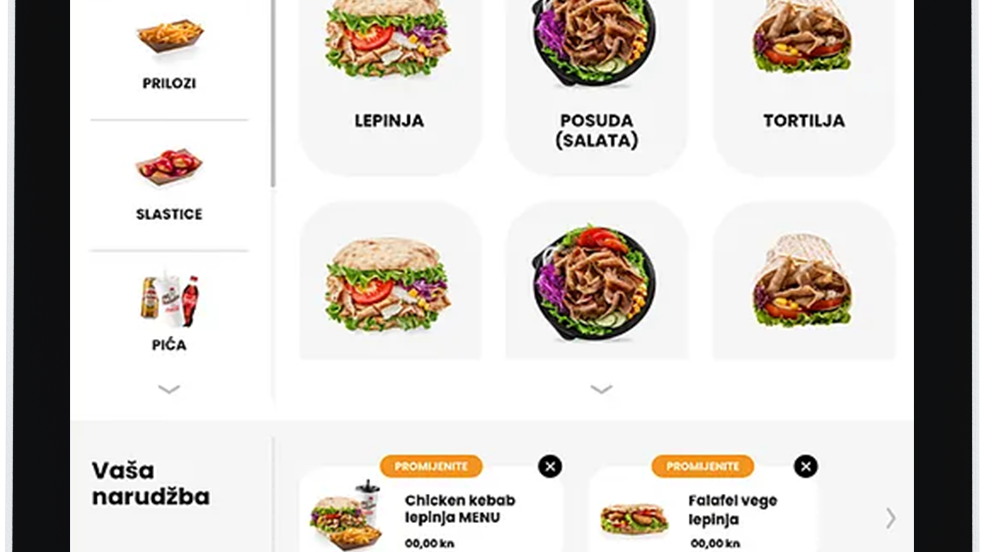
Why a self service kiosk changes the checkout queue
A self service kiosk takes over the repetitive parts of an order: choosing items, confirming the total and paying. That removes several steps from the staffed counter, so queues move faster and staff spend their time on service rather than data entry. In busy periods, even a small reduction in transaction time per customer can shorten the wait for everyone in line. The benefit grows where orders are frequent and low value, because the volume of transactions is what drives the queue. For stores that already handle long lines, the clearest win is often the first step of the order, not the whole process. Putting the slowest step on the kiosk is usually where the queue improvement is most visible. Over a busy lunch or weekend, that single change removes a great deal of repetition from the staffed side of the counter, and the effect is immediate from day one.
How a self ordering kiosk shortens the ordering step
A self ordering kiosk lets customers build their own order at their own pace. Instead of reciting items across a counter, a customer can browse the menu, adjust sizes or add-ons, and review the total before paying. This shortens each order and reduces the chance of misheard requests, which is a common source of rework in fast service. It also lets staff focus on preparation rather than taking orders, which matters when every minute of peak time counts. Because the customer controls the pace, the order tends to be complete before it reaches the kitchen, which keeps the line moving without extra staff. For busy outlets, that is often the difference between a calm service and a rushed one.
The self service kiosk for restaurants keeps service consistent
For restaurants, a self service kiosk for restaurants brings consistency to every order. The same menu, prices and upsell prompts appear at every kiosk, so the experience does not depend on who is behind the counter. This is especially useful during peak hours, when even a well-trained team gets stretched thin. Customers who have used the kiosk before can move through the order quickly, which keeps the flow steady through the busiest part of the day. Consistency also helps with training, because the kiosk handles the repeated work and the team handles what genuinely needs judgement. Upselling is also more reliable on screen, where a suggestion is simply part of the flow.
What a self checkout pos system adds to the counter
A self checkout pos system extends the same logic to the payment step. Customers scan, pay and move on without waiting for a cashier, which spreads traffic across multiple stations instead of one staffed till. When the process is clear and the payment options are familiar, customers complete the checkout with little assistance. This is especially valuable in supermarkets and convenience stores where basket sizes are small and speed is what customers notice most. When several units share the queue, a customer rarely waits for a single till to free up. The result is a calmer checkout area and a steadier flow even when the store is full. Staff can focus on the customers who genuinely need help instead of the routine transactions.
Designing a self service kiosk that customers actually use
Design decides whether a self service kiosk gets used or ignored. Keep the interface simple, put the most common choices first, and support the payment methods your customers already use. Screen responsiveness and the height and layout of the unit matter too, because a kiosk that feels awkward will push customers back to the counter. Clear on-screen steps reduce hesitation, which is often the biggest barrier to adoption. A small pilot with one unit usually shows which steps cause hesitation, and that feedback should drive the final design. Clear on-screen steps and familiar payment buttons matter more than decorative extras, so design should be guided by how customers actually move through a purchase.
Measuring the cost and return of a self service kiosk
The return on a self service kiosk comes from faster throughput, lower labour cost and consistent upselling. Count the hardware, software, maintenance and any per-transaction fees, then compare that against the staff time saved. For high-traffic locations the payback can be clear; for low-traffic ones a kiosk may simply add cost. Looking at the full running cost rather than the purchase price gives a much fairer picture. Where the volume is there, the reduction in staffed checkout time is usually the part of the business case that matters most. Keeping the business case to a few clear numbers makes the decision easier to defend to the rest of the team.
Working with a supplier of self service kiosk hardware
A dependable supplier of self service kiosk hardware should help you match the unit to your layout, software and payment setup. Ask about screen size, durability, warranty and spare parts, and whether OEM/ODM customisation is available. For retailers and integrators, a supplier that configures the kiosk to your workflow is easier to work with than one that only sells stock units. A supplier that asks about your menu, queue and payment mix before recommending a model is usually the more reliable partner. Together these checks give you a shortlist you can defend to the rest of your team with confidence.
Elanda, founded in 2016 in Shenzhen, China, is a global POS and self-service solution provider. The company supplies self service kiosks, POS terminals, KDS and peripherals to retail, hospitality, banking, logistics, healthcare and other industries worldwide, with a focus on reliable hardware, distinctive design and responsive support. OEM/ODM customisation is available for distributors, software providers and system integrators. Across every project, the aim is the same: hardware that fits the store, the queue and the way customers actually order. Choosing the right unit is what turns a kiosk from an experiment into a reliable part of the checkout, and it starts with asking the right questions.
If you are planning to add a self service kiosk to your checkout and want to confirm the right unit for your layout and payment mix, our team can help you match the hardware to your requirements before you place an order. A short conversation about your store and payment methods is usually enough to point you in the right direction, and we will match the unit to your store rather than selling a generic one. Tell us how you take orders and payments today, and we will confirm the configuration that fits your workflow.
