In today’s fast-paced digital world, customers expect convenience, speed, and control over their shopping experience. Businesses across industries—from restaurants and retail stores to airports and healthcare facilities—are increasingly turning to self-service kiosks to meet these expectations.
A well-designed self-service kiosk does more than simply automate transactions. It improves efficiency, enhances customer satisfaction, and creates a smoother, more engaging user experience. When customers can place orders, check in, or make payments quickly and independently, they are far more likely to return.
However, not all kiosks deliver the same results. The most successful self-service kiosk systems include features specifically designed to enhance usability, speed, and personalization. These features encourage repeat visits and build long-term customer loyalty.
In this article, we will explore the top six self-service kiosk features that keep customers coming back and explain why they are essential for businesses that want to stay competitive in today’s digital marketplace.
Why Self-Service Kiosks Are Becoming Essential for Modern Businesses
Before diving into specific features, it is important to understand why self-service kiosks have become such a critical part of modern customer service strategies.
Businesses adopt self-service kiosk solutions because they offer several major advantages:
- Reduced waiting times
- Faster transactions
- Lower labor costs
- Increased order accuracy
- Improved customer satisfaction
From quick-service restaurants to retail stores and hotel check-ins, self-service kiosks provide a consistent and convenient way for customers to complete transactions. More importantly, they empower customers to control their experience, which often leads to higher satisfaction and stronger brand loyalty.
Companies like Elanda continue to innovate in the kiosk industry by developing intelligent self-service solutions that focus on usability, reliability, and customer engagement.
1. Intuitive and User-Friendly Interface
One of the most important self-service kiosk features is an intuitive and easy-to-use interface. If customers struggle to understand how to use the kiosk, they are unlikely to use it again.
A well-designed self-service kiosk interface should include:
- Clear navigation menus
- Large, readable text
- Simple step-by-step instructions
- Minimal screen clutter
- Visual icons for easy understanding
Touchscreen responsiveness also plays a crucial role. Customers expect the same smooth interaction they experience on smartphones and tablets.
When a self-service kiosk system is designed with user experience in mind, customers can complete their tasks quickly and confidently. This convenience encourages repeat usage and helps build trust in the technology.
2. Fast and Secure Payment Options
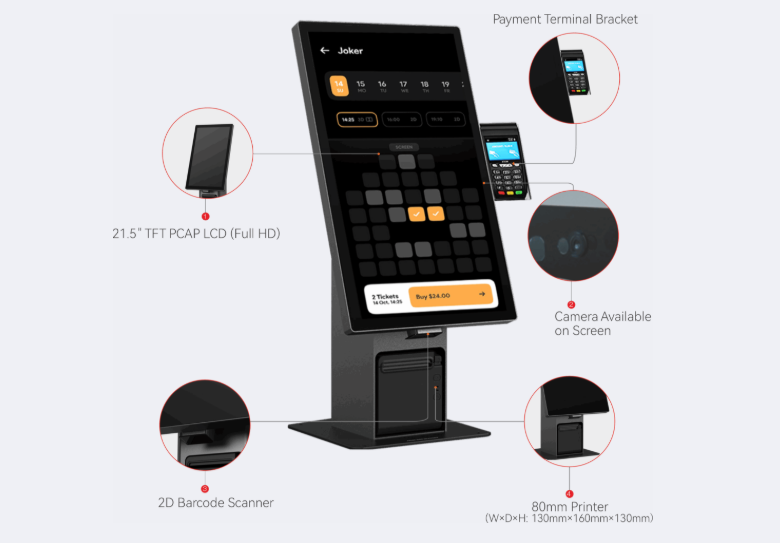
Another essential self-service kiosk feature is the ability to support multiple secure payment methods. Customers expect flexibility when paying for products or services.
Modern self-service kiosks should support:
- Credit and debit cards
- Contactless payments (NFC)
- Mobile wallets such as Apple Pay or Google Pay
- QR code payments
- Cash payments (in certain environments)
Fast and secure payment processing reduces transaction time and improves overall efficiency.
Security is equally important. Customers must feel confident that their payment information is protected. Advanced encryption, secure payment gateways, and compliance with payment standards are critical components of a reliable self-service kiosk solution.
3. Personalization and Smart Recommendations
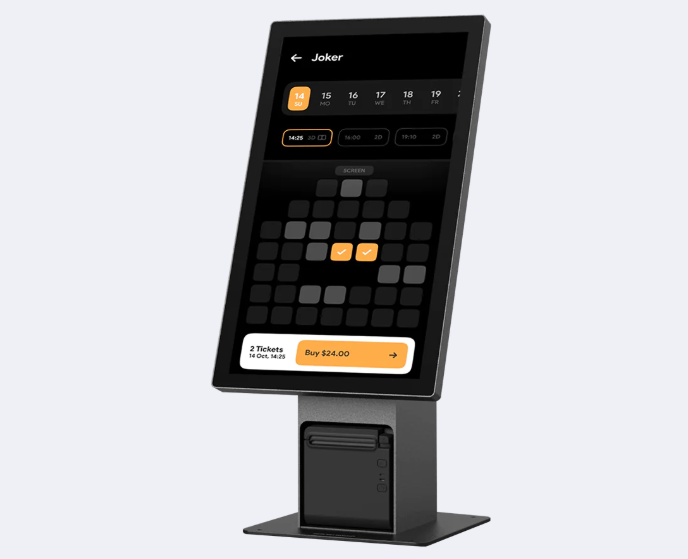
Personalization has become a powerful tool for improving the customer experience, and self-service kiosks are increasingly capable of delivering tailored interactions.
By integrating customer data, loyalty programs, or purchase history, kiosks can offer:
- Personalized product recommendations
- Loyalty rewards or discounts
- Customized menus or services
- Upselling suggestions
For example, in a restaurant setting, a self-service ordering kiosk might recommend popular add-ons based on previous orders. In retail, it could suggest complementary products.
Smart personalization makes customers feel recognized and valued, which increases engagement and repeat visits.
4. Speed and Efficiency in Transactions
One of the primary reasons businesses implement self-service kiosks is to speed up service. Long lines and slow checkouts are common causes of customer frustration.
A high-performing self-service kiosk system helps streamline operations by allowing customers to:
- Place orders quickly
- Check in for appointments
- Print tickets or receipts
- Access information instantly
For quick-service restaurants, self-service ordering kiosks can significantly reduce queue times during peak hours. In airports or hotels, kiosks simplify check-in processes and minimize waiting.
The faster customers can complete their transactions, the more likely they are to return.
5. Multi-Language Support
Businesses that serve diverse customers benefit greatly from multi-language self-service kiosks.
Language barriers can create confusion and frustration for customers. A kiosk that supports multiple languages allows users to interact comfortably and confidently.
Key advantages of multi-language self-service kiosks include:
- Improved accessibility for international customers
- Better user understanding
- Increased inclusivity
- Higher customer satisfaction
Industries such as tourism, hospitality, and transportation particularly benefit from this feature. When customers can easily navigate the kiosk in their preferred language, their experience becomes far more positive.
6. Seamless Integration with Business Systems
The best self-service kiosk solutions are not standalone machines. Instead, they integrate seamlessly with existing business systems.
Integration allows kiosks to connect with:
- Point-of-sale (POS) systems
- Inventory management systems
- Customer relationship management (CRM) platforms
- Loyalty programs
- Digital signage and marketing platforms
This connectivity ensures accurate order processing, real-time inventory updates, and consistent customer data across platforms.
For businesses adopting advanced kiosk technology, solutions provided by companies like Elanda often emphasize system integration, ensuring that kiosks work smoothly within a larger digital ecosystem.
Additional Features That Improve Self-Service Kiosk Performance
While the six features above are essential, several additional capabilities can further enhance the effectiveness of self-service kiosks.
Remote Monitoring and Maintenance
Modern kiosks can be monitored remotely, allowing businesses to:
- Detect technical issues quickly
- Update software automatically
- Monitor usage statistics
- Reduce downtime
This ensures that the self-service kiosk network remains reliable and operational.
Data Analytics and Customer Insights
Kiosks can also collect valuable data about customer behavior, including:
- Popular products
- Peak usage times
- Average transaction value
- Customer preferences
These insights help businesses optimize their operations and marketing strategies.
Industries Benefiting from Self-Service Kiosk Technology
The popularity of self-service kiosks continues to grow across many industries. Some of the sectors benefiting the most include:
Restaurants and Fast Food Chains
Self-service ordering kiosks reduce queues, improve order accuracy, and increase upselling opportunities.
Retail Stores
Retail kiosks allow customers to check product availability, browse catalogs, and place orders.
Airports and Transportation
Self-service kiosks streamline ticketing, boarding pass printing, and baggage check-in.
Healthcare Facilities
Hospitals and clinics use kiosks for patient check-ins and appointment management.
Hotels
Hotel kiosks simplify check-in and check-out processes while reducing front desk congestion.
FAQs
What is a self-service kiosk?
A self-service kiosk is an interactive touchscreen device that allows customers to complete transactions or access services without assistance from staff. These kiosks are widely used in restaurants, retail stores, airports, and other industries.
Why do businesses use self-service kiosks?
Businesses use self-service kiosks to improve efficiency, reduce waiting times, lower operational costs, and enhance the overall customer experience.
Are self-service kiosks secure?
Yes, modern self-service kiosk systems use advanced security technologies such as encrypted payment processing, secure software platforms, and authentication measures to protect user data.
Do self-service kiosks increase sales?
In many cases, yes. Self-service kiosks often increase sales by encouraging upselling, improving order accuracy, and reducing abandoned transactions caused by long queues.
How do self-service kiosks improve customer satisfaction?
Self-service kiosks improve satisfaction by giving customers control over their transactions, reducing wait times, and providing a faster, more convenient experience.
Conclusion
Self-service kiosks have transformed how businesses interact with customers. By combining convenience, speed, and intelligent technology, these systems provide a modern service experience that customers appreciate.
However, the success of a self-service kiosk depends largely on its features. An intuitive interface, flexible payment options, personalization, fast transactions, multi-language support, and seamless system integration are all critical elements that keep customers coming back.
As businesses continue to embrace digital transformation, investing in advanced self-service kiosk solutions will become increasingly important. Companies that prioritize user experience and innovative design—such as Elanda—are helping shape the future of customer interaction through smarter, more efficient kiosk technology.
For businesses looking to enhance customer engagement and operational efficiency, implementing a well-designed self-service kiosk system is no longer just an option—it is a strategic necessity.