Running a single restaurant is complex. Managing a restaurant chain is on another level. From centralized inventory control to multi-location reporting, franchise management, and real-time sales tracking, restaurant chains need powerful technology to stay competitive. That’s where POS systems for restaurant chains become essential.
In 2026, modern restaurant POS systems are no longer just digital cash registers. They are integrated business management platforms that connect front-of-house, back-of-house, headquarters, online ordering, loyalty programs, and financial reporting into one ecosystem.
If you operate multiple locations, franchise units, or plan to scale, this ultimate guide will walk you through everything you need to know about choosing the best POS system for restaurant chains. We will cover features, benefits, integration options, costs, common mistakes, and expert selection strategies.
What Are POS Systems for Restaurant Chains?
A POS system for restaurant chains is a centralized point-of-sale solution designed specifically for multi-location restaurants, franchises, and enterprise food service operations.
Unlike basic POS software used by independent restaurants, chain-level systems provide:
- Centralized control across all locations
- Real-time cloud-based reporting
- Unified menu and pricing management
- Multi-store inventory tracking
- Role-based staff access
- Franchise performance comparison
- Integration with ERP and accounting systems
These systems allow restaurant groups to maintain brand consistency while empowering individual locations to operate efficiently.
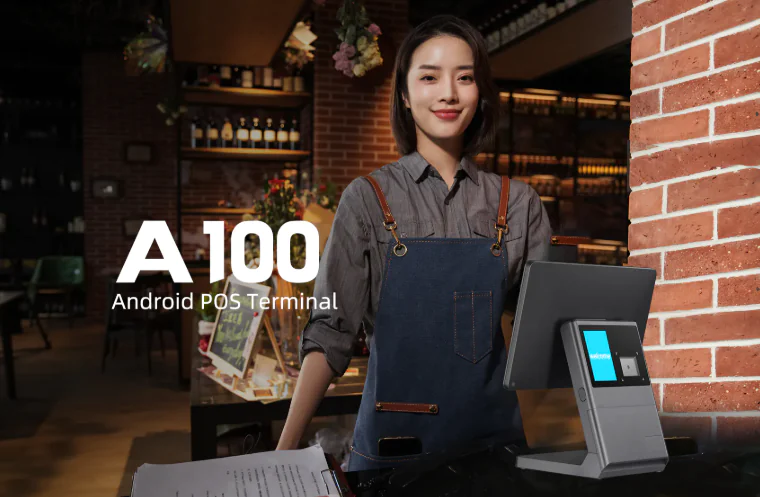
Why Restaurant Chains Need Specialized POS Systems
1. Centralized Management
For multi-location operations, manual reporting is inefficient. A cloud-based restaurant POS system allows headquarters to:
- Monitor sales across all stores in real time
- Adjust menu pricing centrally
- Launch promotions across multiple regions
- Compare performance metrics
This reduces errors and improves operational transparency.
2. Standardized Menu and Pricing Control
Consistency is critical in chain restaurants. A restaurant chain POS system ensures:
- Uniform menu updates
- Automatic price synchronization
- Standardized modifiers and combo configurations
- Controlled regional customization
Without centralized POS control, maintaining brand integrity becomes difficult.
3. Advanced Multi-Location Reporting
Restaurant chains require deeper analytics, including:
- Sales by location
- Sales by region
- Top-performing menu items
- Labor cost percentage per store
- Inventory variance across branches
Modern POS software provides customizable dashboards and automated reporting.
Key Features of the Best POS Systems for Restaurant Chains in 2026
When evaluating POS systems for restaurant chains, focus on the following essential features.
Cloud-Based Architecture
Cloud POS systems allow access from anywhere. Headquarters can view:
- Real-time sales reports
- Inventory levels
- Employee performance
- Daily revenue summaries
Cloud architecture also simplifies software updates and data backup.
Multi-Location Management
A true restaurant chain POS solution should allow:
- Centralized configuration
- Location grouping
- Performance benchmarking
- Cross-store data comparison
This feature is vital for franchise models and corporate-owned chains.
Inventory Management Across Locations
Inventory control is one of the biggest challenges for restaurant chains.
Advanced POS systems offer:
- Ingredient-level tracking
- Automatic stock deduction
- Purchase order management
- Central warehouse integration
- Low-stock alerts
This prevents waste and improves food cost control.
Integrated Online Ordering & Delivery
In 2026, digital sales channels are essential. Your POS system must integrate with:
- Online ordering platforms
- Third-party delivery apps
- QR code ordering
- Self-service kiosks
Some enterprise hardware providers, such as Elanda, support integrated POS terminals and self-service solutions that streamline both dine-in and digital operations.
Franchise Management Capabilities
For franchise restaurant chains, POS systems should provide:
- Royalty calculation automation
- Franchise performance reporting
- Location-level profit analysis
- Secure access controls
This ensures transparency between franchisor and franchisee.
Customer Loyalty & CRM Integration
Chain restaurants benefit from centralized loyalty programs. A strong POS system supports:
- Customer profiles
- Points-based loyalty programs
- Email and SMS marketing integration
- Targeted promotions
- Repeat visit tracking
Customer retention is significantly cheaper than acquisition, making CRM integration critical.
Types of POS Systems for Restaurant Chains
Traditional On-Premise POS Systems
These systems are installed locally in each store.
Pros:
- Full control over data
- No dependency on internet
Cons:
- Expensive maintenance
- Complex updates
- Limited centralized visibility
In 2026, most restaurant chains prefer cloud-based systems.
Cloud-Based POS Systems
Cloud POS solutions dominate the market for multi-location restaurants.
Advantages:
- Real-time centralized reporting
- Automatic updates
- Easier scaling
- Remote management
They are ideal for fast-growing chains.
Hybrid POS Systems
Hybrid systems combine local servers with cloud backup.
They provide:
- Offline functionality
- Cloud reporting
- Better data redundancy
This setup is popular among enterprise-level restaurant chains.
Benefits of Implementing a Restaurant Chain POS System
Improved Operational Efficiency
Automation reduces manual errors in:
- Order entry
- Inventory tracking
- Sales reporting
- Employee scheduling
This improves speed and accuracy.
Better Financial Control
Multi-location POS systems provide detailed financial tracking:
- Revenue per location
- Cost of goods sold (COGS)
- Labor cost ratios
- Profit margins
This helps executives make informed decisions.
Scalability for Growth
A scalable POS system allows:
- Easy addition of new locations
- Menu replication
- Centralized onboarding
- Unified data analysis
If you plan to expand nationally or internationally, scalability is essential.
Enhanced Customer Experience
Modern POS systems improve:
- Faster checkout
- Mobile payment processing
- Contactless ordering
- Personalized promotions
This creates a seamless customer journey.
Hardware Considerations for Restaurant Chain POS Systems
Software is only part of the equation. Hardware also plays a critical role.
Restaurant chains typically require:
- POS terminals
- Self-service kiosks
- Kitchen display systems (KDS)
- Receipt printers
- Barcode scanners
- Cash drawers
Reliable hardware suppliers such as Elanda provide enterprise-grade POS terminals designed for high-traffic restaurant environments. Choosing durable hardware reduces downtime and long-term replacement costs.
Integration Capabilities You Should Prioritize
A restaurant chain POS system must integrate with:
- Accounting software
- ERP systems
- Payroll software
- Inventory management platforms
- CRM tools
- Delivery aggregators
API flexibility is crucial. The more integrations supported, the easier it is to build a connected technology ecosystem.
Cost of POS Systems for Restaurant Chains in 2026
The cost varies depending on:
- Number of locations
- Hardware requirements
- Software subscription model
- Customization level
- Integration needs
How to Choose the Best POS System for Your Restaurant Chain
Step 1: Define Your Business Model
Are you:
- A franchise network?
- A fast-casual chain?
- A full-service restaurant group?
- A quick-service restaurant (QSR) brand?
Each model has different requirements.
Step 2: Evaluate Scalability
Choose a POS system that can grow with you. Ask:
- Can it support 50+ locations?
- Does it offer centralized control?
- Can new stores be onboarded quickly?
Step 3: Assess Reporting Capabilities
Multi-location analytics are non-negotiable. Look for:
- Customizable dashboards
- Real-time performance tracking
- Comparative store reports
- Exportable financial summaries
Step 4: Review Integration Options
Ensure compatibility with:
- Existing accounting software
- Online ordering platforms
- Loyalty systems
Avoid closed ecosystems that limit flexibility.
Step 5: Request a Demo
Always test the system. Evaluate:
- User interface
- Speed
- Ease of use
- Training requirements
Front-line staff adoption is critical for success.
Common Mistakes to Avoid
- Choosing based only on price
- Ignoring scalability
- Overlooking integration needs
- Underestimating staff training
- Failing to centralize reporting
A poorly selected POS system can slow growth instead of enabling it.
Future Trends in POS Systems for Restaurant Chains (2026 and Beyond)
AI-Powered Analytics
AI helps predict:
- Sales trends
- Inventory needs
- Staffing requirements
- Customer preferences
Self-Service Expansion
More chains are deploying:
- Self-order kiosks
- Mobile ordering apps
- Contactless payment systems
These reduce labor costs and increase order accuracy.
Data-Driven Decision Making
Modern POS systems collect vast amounts of operational data. Smart restaurant chains use this data to:
- Optimize menus
- Reduce waste
- Improve marketing campaigns
- Enhance profitability
FAQs About POS Systems for Restaurant Chains
1. What is the best POS system for restaurant chains?
The best POS system depends on your business size, operational model, and integration requirements. Cloud-based multi-location systems are typically ideal for growing chains.
2. How much does a restaurant chain POS system cost?
Costs vary widely but usually include monthly subscription fees, hardware investments, and setup charges. Enterprise pricing depends on scale.
3. Can POS systems manage franchise operations?
Yes. Advanced POS systems for restaurant chains include franchise management tools such as royalty tracking, centralized reporting, and location performance comparison.
4. Are cloud POS systems secure?
Modern cloud POS systems use encryption, secure servers, and role-based access controls to protect data.
5. How long does implementation take?
Implementation typically takes a few weeks for small chains and several months for large enterprise deployments.
Conclusion
Choosing the right POS systems for restaurant chains is one of the most important technology decisions you will make in 2026. The right solution improves operational efficiency, enhances reporting accuracy, supports multi-location growth, and strengthens customer engagement.
Modern restaurant chain POS systems go far beyond simple transaction processing. They unify your entire business into a centralized, data-driven ecosystem.
If you are planning expansion, managing franchise operations, or optimizing multi-location performance, investing in a scalable, cloud-based POS system is essential. Evaluate features carefully, prioritize integration, and select hardware that supports high-volume environments.
With the right strategy and technology in place, your restaurant chain can operate smarter, grow faster, and compete more effectively in today’s digital-first food service industry.