

In today’s fast-paced foodservice industry, speed, accuracy, and consistency are no longer optional—they are critical to survival. Customers expect their orders to be prepared correctly, delivered quickly, and served at the right temperature, whether they are dining in, ordering takeout, or using a third-party delivery app. For restaurant owners and kitchen managers, meeting these expectations while controlling costs and maintaining quality is a constant challenge.
This is where Kitchen Display Systems (KDS) come into play. Replacing traditional paper tickets with digital screens, KDS technology has transformed how modern kitchens operate. From quick-service restaurants and cafés to full-service dining and ghost kitchens, more operators are turning to digital kitchen solutions to streamline workflows and improve performance.
In this in-depth guide, we will explore the 10 key benefits of kitchen display systems, explaining how they work, why they matter, and how they can deliver long-term value to foodservice businesses of all sizes. Along the way, we will also look at related advantages such as improved kitchen communication, real-time order tracking, data-driven decision-making, and enhanced customer experiences.
If you are considering upgrading your kitchen technology or simply want to understand why KDS adoption is accelerating worldwide, this article will give you a complete and practical overview.
What Is a Kitchen Display System (KDS)?
Before diving into the benefits, it’s important to understand what a Kitchen Display System is and how it functions in a restaurant environment.
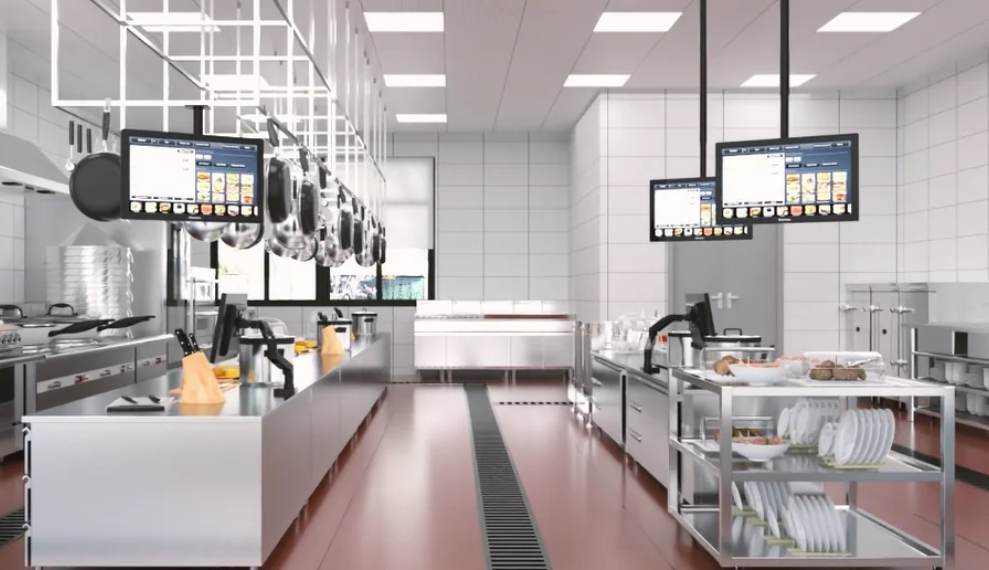
A Kitchen Display System is a digital solution that displays orders on screens in the kitchen instead of printing them on paper. These systems are typically integrated with a restaurant’s Point of Sale (POS), online ordering platforms, and delivery apps. Once an order is placed, it is instantly sent to the appropriate kitchen station—such as grill, fryer, salad, or dessert—based on predefined routing rules.
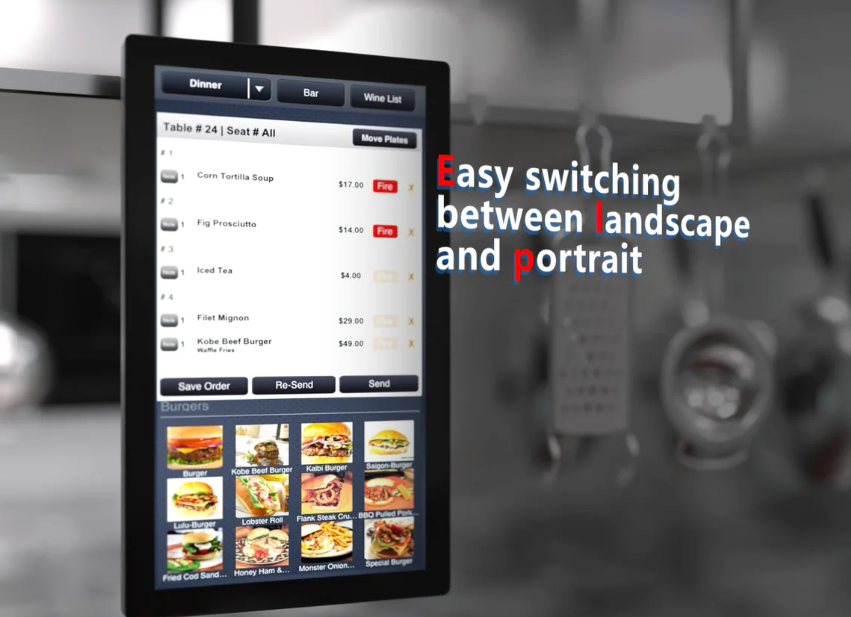
KDS screens can show:
- Order details and modifiers
- Preparation times and timers
- Color-coded priorities
- Order status (new, in progress, ready, served)
By centralizing and digitizing order management, KDS helps kitchens operate more efficiently, reduce errors, and adapt to high-volume service periods.
1. Improved Order Accuracy
One of the most widely recognized benefits of kitchen display systems is improved order accuracy. Paper tickets can be lost, damaged, misread, or incorrectly interpreted, especially in busy kitchens with heat, grease, and noise.
With a KDS:
- Orders are displayed clearly and consistently
- Modifiers and special instructions are easy to read
- Handwriting errors are eliminated
This clarity ensures that kitchen staff prepare dishes exactly as ordered. As a result, restaurants experience fewer remakes, fewer customer complaints, and lower food waste. Over time, improved accuracy directly contributes to higher customer satisfaction and better online reviews.
2. Faster Ticket Times and Increased Speed of Service
Speed is critical in modern foodservice, particularly in quick-service and high-volume restaurants. Another major advantage—and one of the most important benefits of kitchen display systems—is faster order preparation and delivery.
KDS solutions:
- Instantly transmit orders to the kitchen
- Eliminate delays caused by printers or runners
- Display timers to track preparation speed
Kitchen staff can see exactly how long each order has been waiting and prioritize accordingly. Color-coded alerts and countdown timers help teams stay focused and maintain consistent service times, even during rush hours.
Faster ticket times not only improve table turnover but also enhance the guest experience, making customers more likely to return.
3. Better Communication Between Front and Back of House
Miscommunication between front-of-house (FOH) and back-of-house (BOH) teams is a common source of errors and frustration. One of the often-overlooked benefits of kitchen display systems is how effectively they bridge this communication gap.
Instead of verbal explanations or handwritten notes:
- FOH staff send orders directly to the kitchen via POS
- Special requests appear instantly on the KDS
- Status updates are visible to both teams
This real-time communication reduces confusion, minimizes interruptions, and allows kitchen staff to focus on cooking rather than clarifying orders.
4. Enhanced Kitchen Workflow and Organization
A well-organized kitchen is a productive kitchen. KDS technology plays a critical role in structuring and optimizing kitchen workflows.
Among the operational benefits of kitchen display systems are:
- Automated order routing to specific stations
- Clear task prioritization for each cook
- Reduced congestion around prep areas
By assigning orders digitally, KDS ensures that each station knows exactly what to prepare and when. This structured approach reduces chaos, especially during peak service periods, and helps kitchens operate with greater consistency and confidence.
5. Real-Time Order Tracking and Visibility
Another powerful feature—and one of the most strategic benefits of kitchen display systems—is real-time order visibility.
With a KDS, managers and staff can:
- Monitor order progress at every stage
- Identify bottlenecks instantly
- Adjust staffing or priorities as needed
This level of transparency is especially valuable in multi-station kitchens or restaurants handling dine-in, takeout, and delivery simultaneously. Real-time tracking ensures that no order is forgotten and that every customer receives timely service.
6. Reduced Paper Waste and Lower Operating Costs
Sustainability and cost control are growing priorities for restaurants worldwide. Switching from paper tickets to digital displays delivers tangible environmental and financial advantages.
Among the environmental and financial benefits of kitchen display systems are:
- Reduced paper and ink consumption
- Fewer printer maintenance issues
- Lower long-term operating costs
While the initial investment in KDS hardware and software may seem significant, many restaurants quickly see a return on investment through reduced waste, fewer errors, and improved efficiency.
7. Improved Staff Productivity and Accountability
KDS technology not only supports better performance but also encourages accountability among kitchen staff. Each action—accepting, preparing, or completing an order—is logged digitally.
This creates one of the most impactful benefits of kitchen display systems:
- Clear responsibility for each order
- Objective performance tracking
- Easier training for new staff
Managers can analyze preparation times by station or employee, identify training needs, and recognize top performers. Over time, this data-driven approach leads to more motivated teams and better overall productivity.
8. Seamless Integration with POS and Online Ordering Systems
Modern restaurants rely on multiple ordering channels, including in-house POS, self-service kiosks, and third-party delivery platforms. A key technical advantage—and one of the essential benefits of kitchen display systems—is seamless integration.
Integrated KDS solutions:
- Consolidate all orders into one system
- Reduce manual entry and duplication
- Ensure consistent workflows across channels
This integration is particularly valuable for restaurants using advanced digital ecosystems or working with technology providers such as Elanda, which focuses on intelligent restaurant and hospitality solutions. By connecting systems seamlessly, kitchens can scale operations without adding unnecessary complexity.
9. Data-Driven Insights and Performance Analytics
Beyond daily operations, KDS platforms generate valuable data that can inform long-term decision-making. One of the most strategic benefits of kitchen display systems is access to actionable insights.
With KDS analytics, restaurants can:
- Track average preparation and service times
- Identify peak hours and staffing needs
- Optimize menu items based on performance
These insights allow managers to make informed decisions that improve efficiency, profitability, and customer satisfaction. Over time, data-driven optimization becomes a competitive advantage in an increasingly crowded market.
10. Better Customer Experience and Higher Satisfaction
Ultimately, all operational improvements should lead to a better customer experience. The cumulative effect of all the previous points results in one of the most valuable benefits of kitchen display systems: happier customers.
Customers benefit from:
- Faster service
- Fewer order mistakes
- Consistent food quality
Whether dining in or ordering online, customers notice when a restaurant runs smoothly. Positive experiences lead to repeat visits, higher ratings, and stronger brand loyalty. When paired with a reliable technology partner like Elanda, KDS solutions can play a key role in building a modern, customer-centric restaurant operation.
Additional Benefits of Kitchen Display Systems for Different Restaurant Types
The benefits of kitchen display systems are not limited to one type of foodservice operation. Different restaurant models can leverage KDS in unique ways:
Quick-Service Restaurants (QSRs)
- Faster order fulfillment
- Better rush-hour management
- Improved drive-thru efficiency
Full-Service Restaurants
- Improved coordination between courses
- Better pacing for table service
- Enhanced guest experience
Ghost Kitchens and Cloud Kitchens
- Centralized order management
- Efficient handling of multiple brands
- Reduced staffing requirements
Cafés and Bakeries
- Clear prep queues
- Better handling of custom orders
- Reduced wait times
FAQs About Kitchen Display Systems
1. What are the main benefits of kitchen display systems?
The main benefits of kitchen display systems include improved order accuracy, faster service, better communication, enhanced kitchen workflow, and access to real-time performance data.
2. Are kitchen display systems suitable for small restaurants?
Yes, many KDS solutions are scalable and suitable for small restaurants, cafés, and food trucks. The benefits of kitchen display systems can be significant even for low- to medium-volume operations.
3. How does a KDS improve kitchen efficiency?
A KDS improves efficiency by automating order flow, reducing manual errors, prioritizing tasks, and providing real-time visibility into kitchen operations.
4. Can kitchen display systems integrate with delivery apps?
Most modern KDS platforms integrate with POS systems and third-party delivery services, allowing all orders to appear on a single screen.
5. Do kitchen display systems require extensive staff training?
KDS interfaces are typically intuitive. Most staff can learn the system quickly, and digital workflows often reduce training time compared to paper-based processes.
6. Are kitchen display systems expensive?
While there is an upfront cost, many restaurants find that the long-term benefits of kitchen display systems—such as reduced waste and higher efficiency—outweigh the initial investment.
Conclusion
As the foodservice industry continues to evolve, technology is no longer a luxury—it is a necessity. Kitchen Display Systems have proven to be one of the most effective tools for improving kitchen operations, reducing errors, and delivering better customer experiences.
From improved accuracy and faster service to data-driven insights and sustainability, the benefits of kitchen display systems extend far beyond replacing paper tickets. They enable restaurants to operate smarter, scale more efficiently, and stay competitive in a demanding market.
Whether you run a single-location café or a multi-brand kitchen operation, investing in a KDS can be a strategic step toward long-term success. By embracing digital kitchen solutions today, restaurants position themselves to meet customer expectations tomorrow—consistently, efficiently, and profitably.
